Roman Workshop : Odenwald UNESCO Geopark AR Prototype
A mobile AR educational prototype developed in Unity for the UNESCO Geopark Odenwald, designed to turn a real-world location into an interactive learning experience.
Description
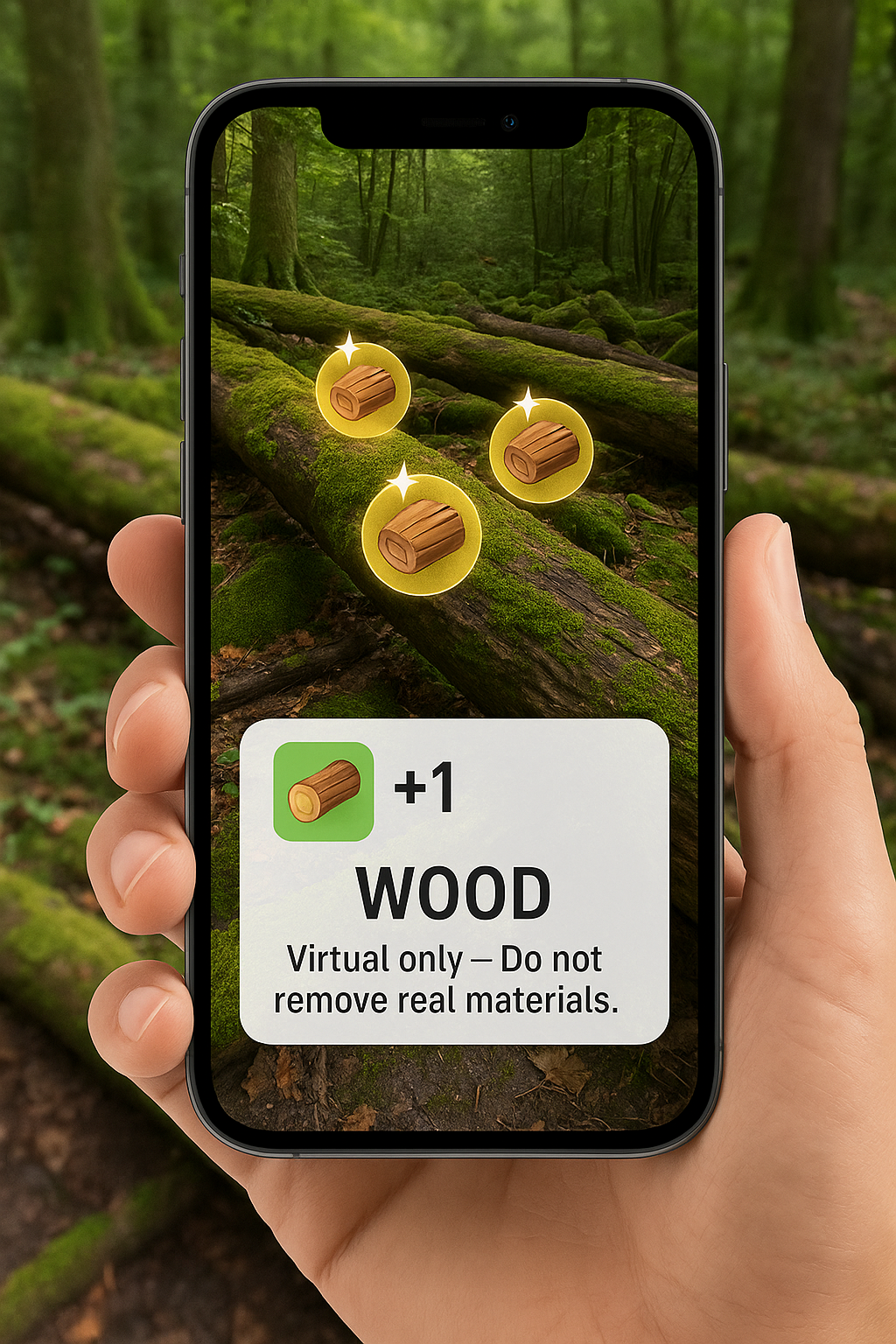
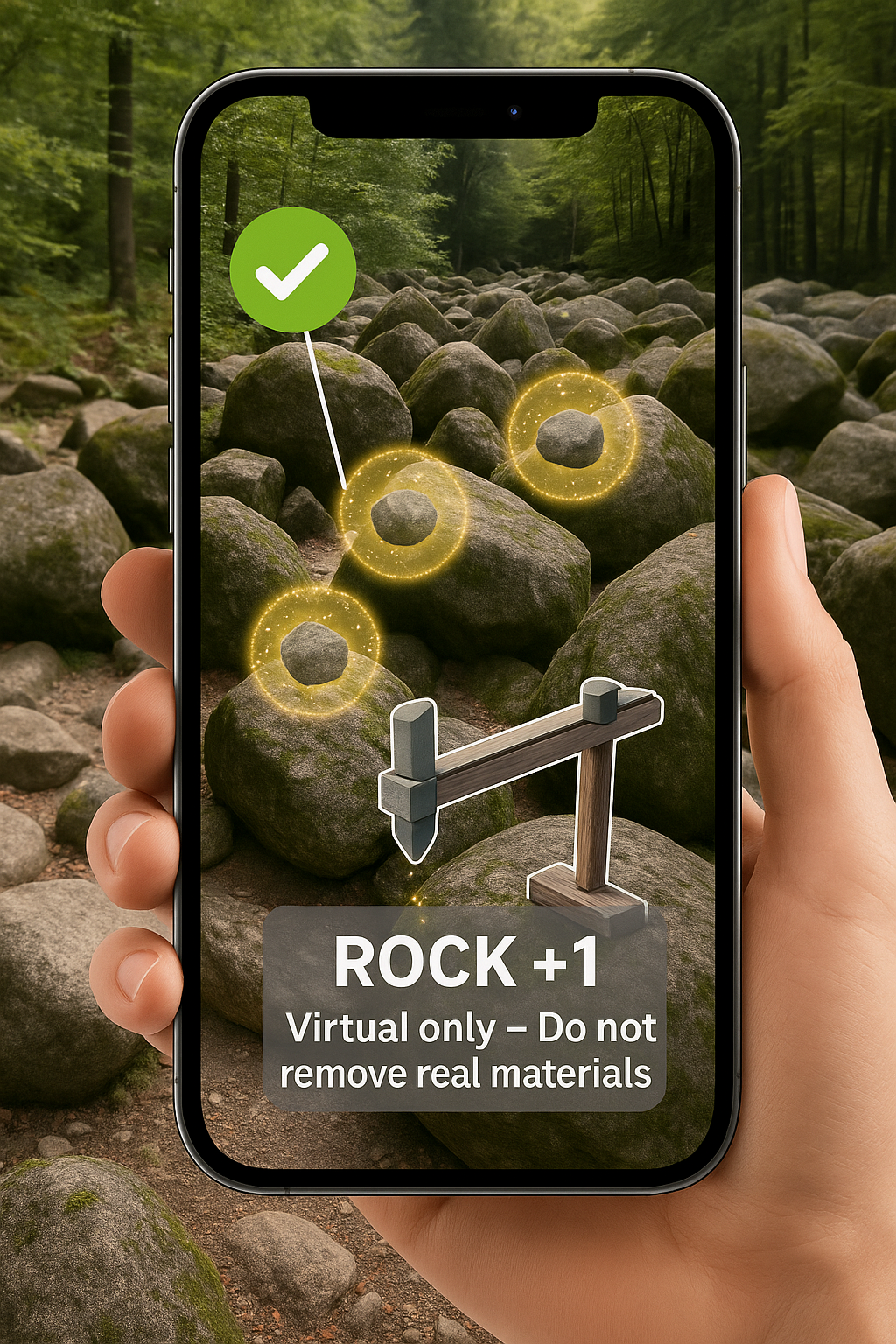
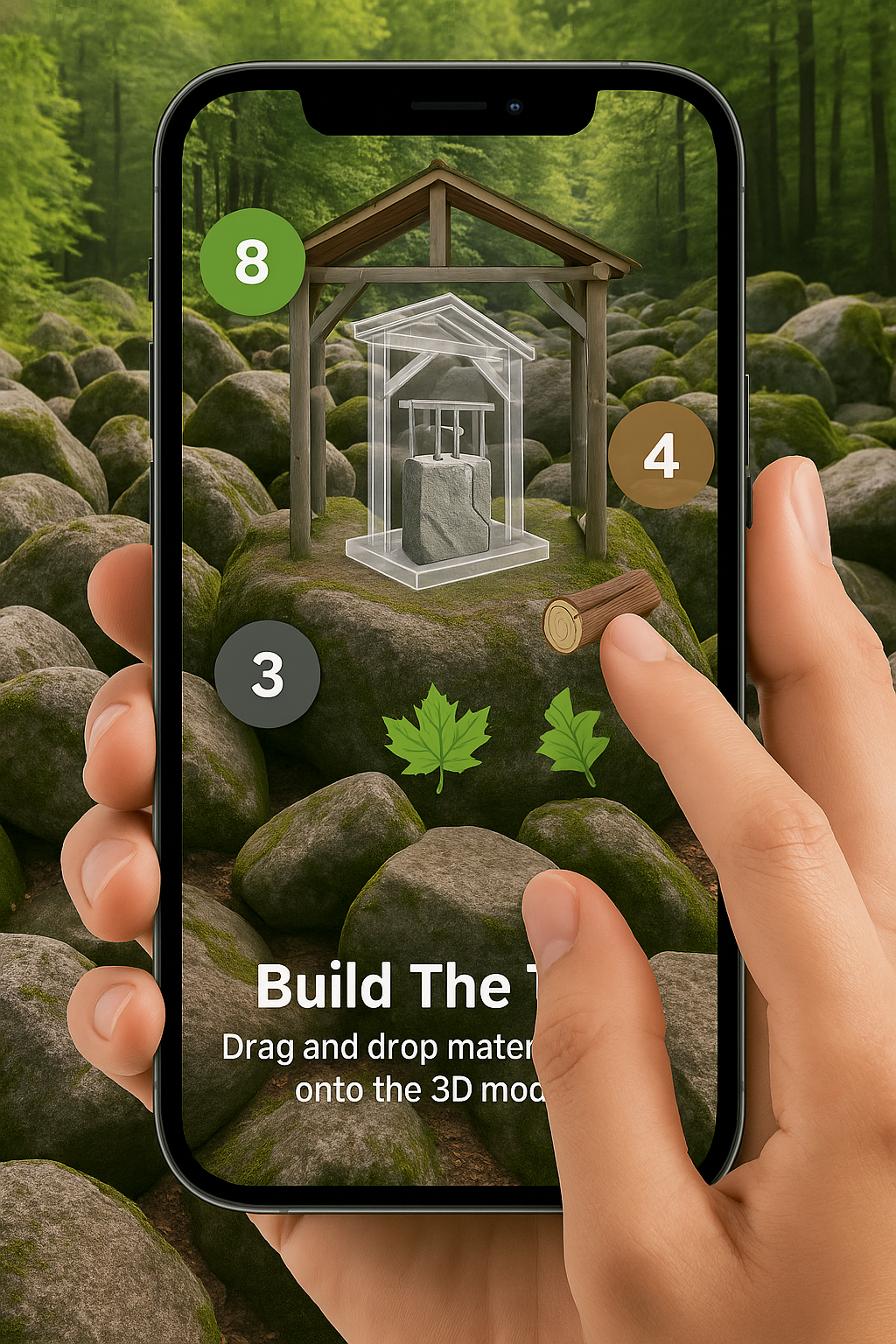
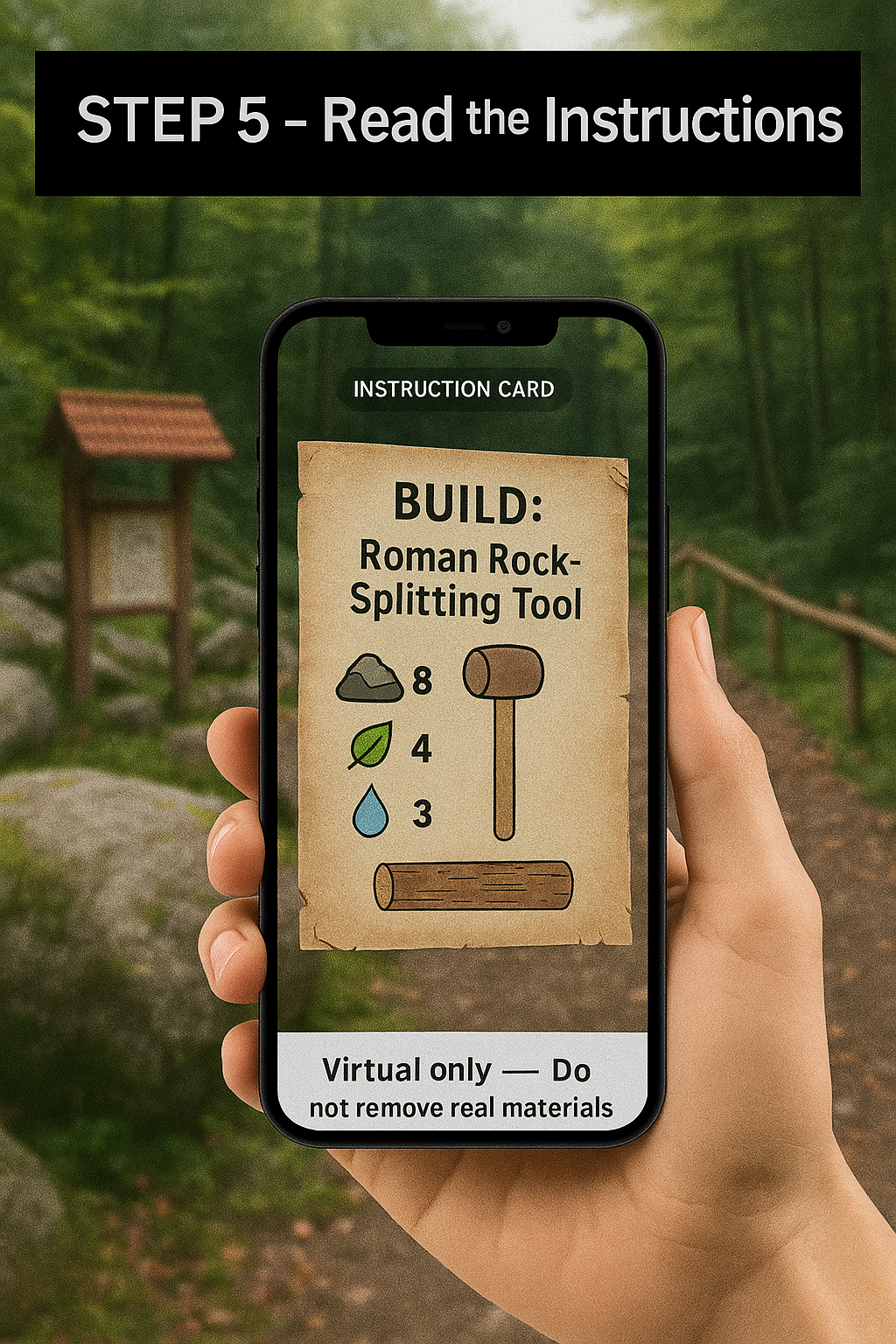
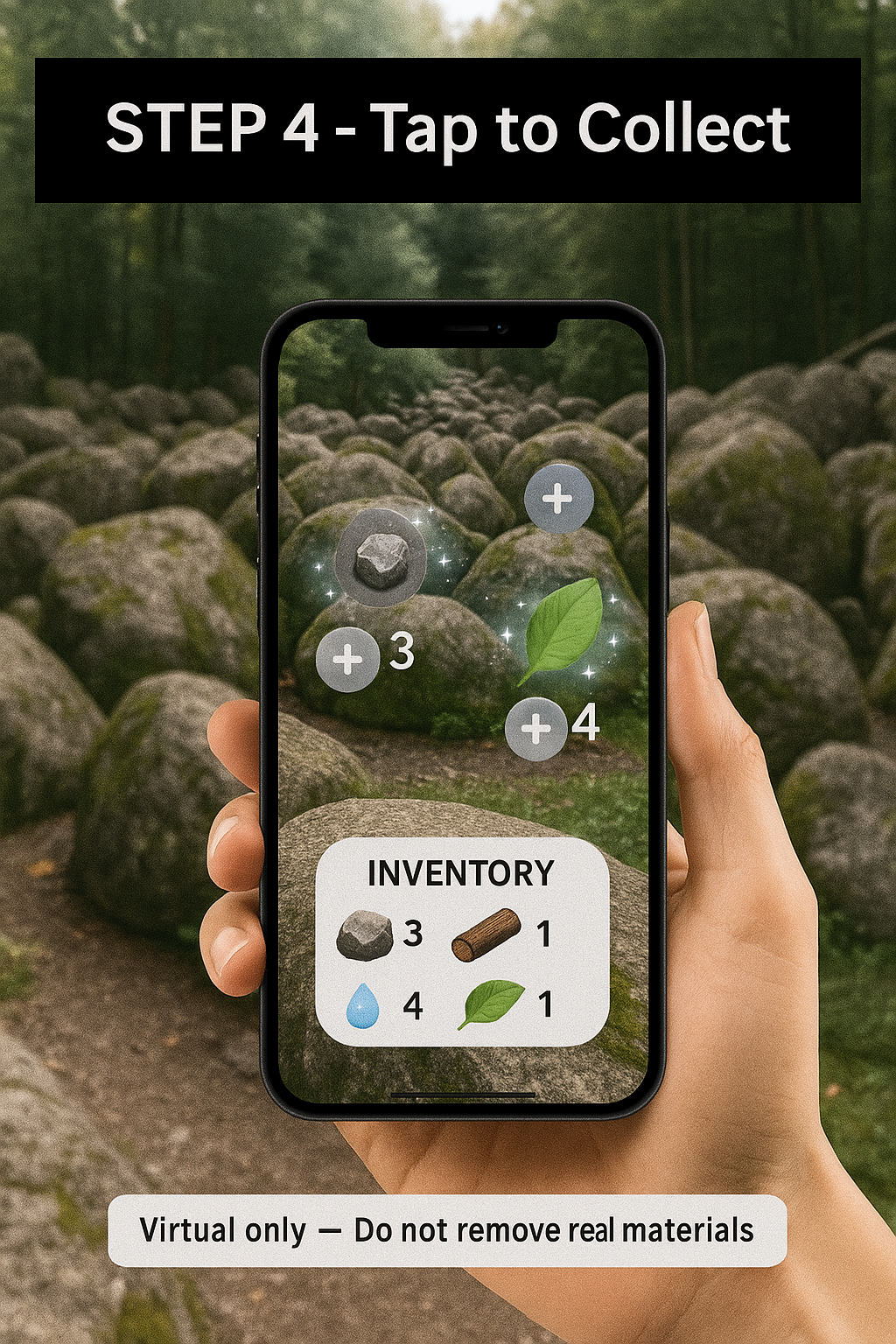
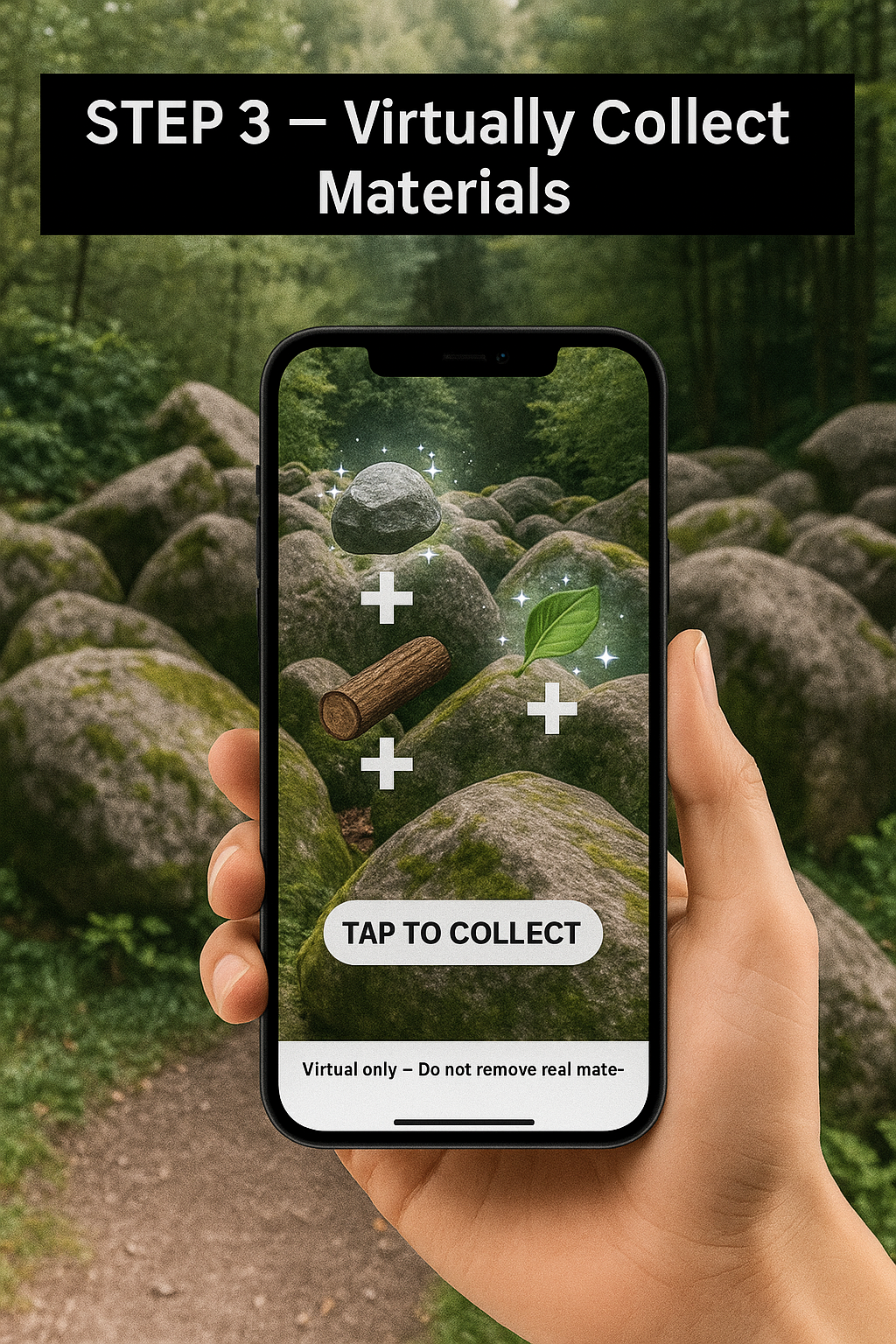
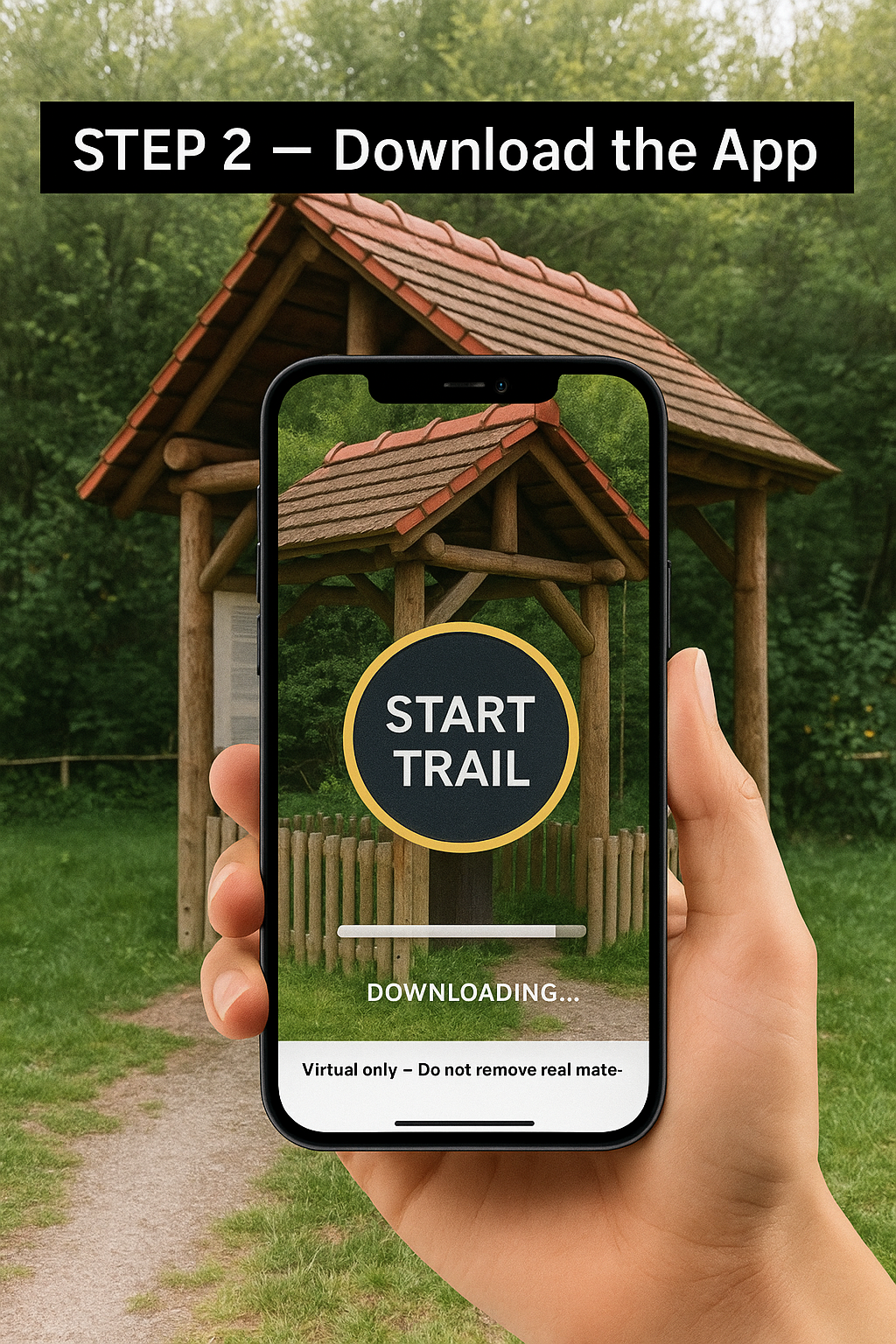
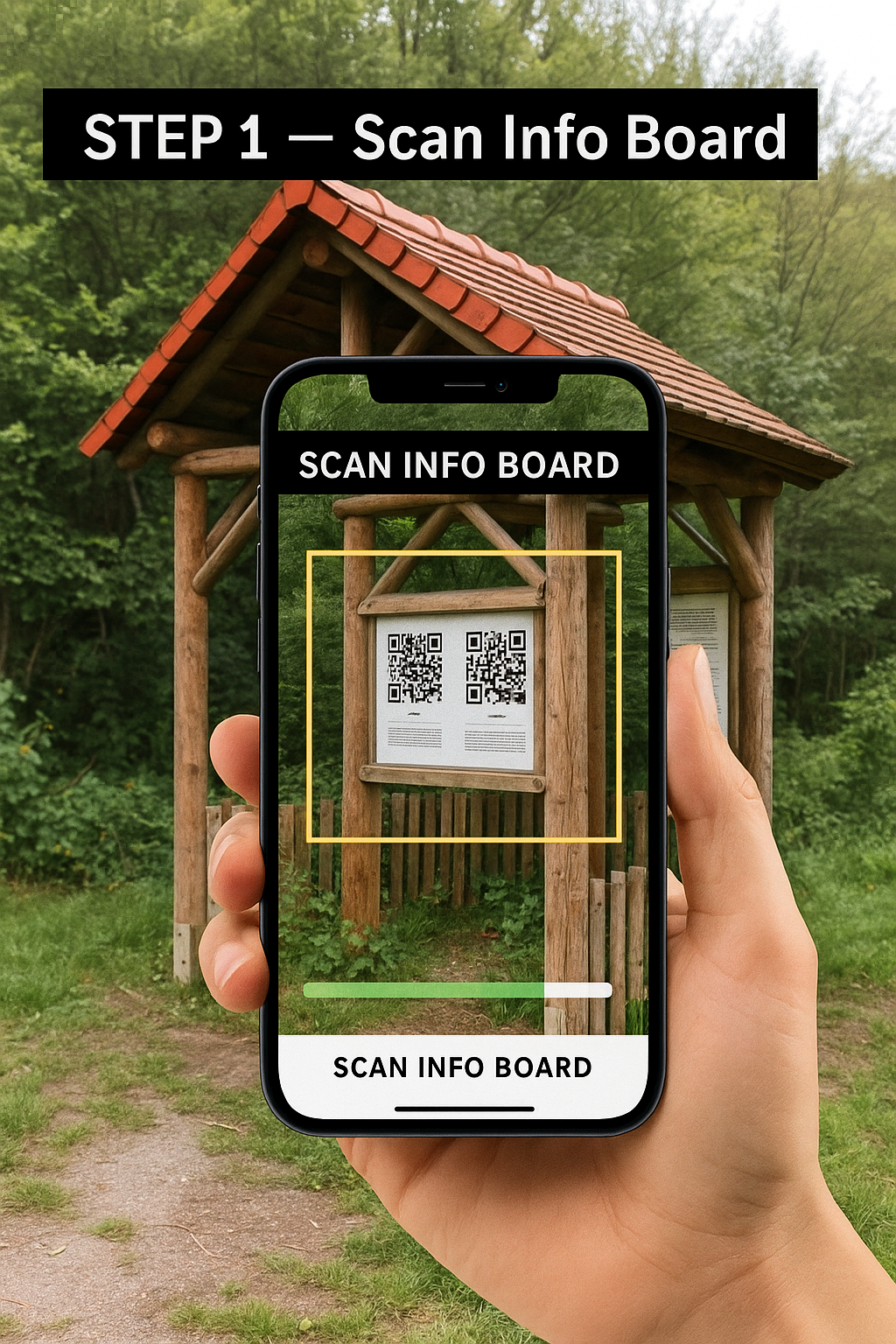
Roman Workshop is a team-based augmented reality prototype created for the Sea of Rocks site at UNESCO Geopark Odenwald. The project was designed as an educational and interactive AR experience that connects digital storytelling with a real physical environment.
Built in Unity for mobile devices, the experience allows users to scan a QR code on-site and interact with AR content placed in the environment. Players collect materials, follow guided interactions, and assemble parts in order to complete a Roman-inspired workshop task. The project combines image tracking, object interaction, inventory flow, and assembly mechanics to create an engaging and accessible learning experience.
The main goal of the prototype was to explore how AR can support heritage education and make historical content more interactive for visitors in a meaningful real-world context.
My Contribution
I contributed to the design and development of the interactive AR flow in Unity, including:
QR and image-tracked interaction logic
object collection and inventory system
assembly mechanics and user interaction flow
implementation and prototyping for a real client context
Tools / Technologies
Unity, C#, AR Foundation, Mobile AR, UI/UX Prototyping
GTE – Get To Evac (Multiplayer Prototype)
Intro
A Unity multiplayer zombie survival prototype focused on co-op gameplay, synchronized events, and networked interaction systems.
Description
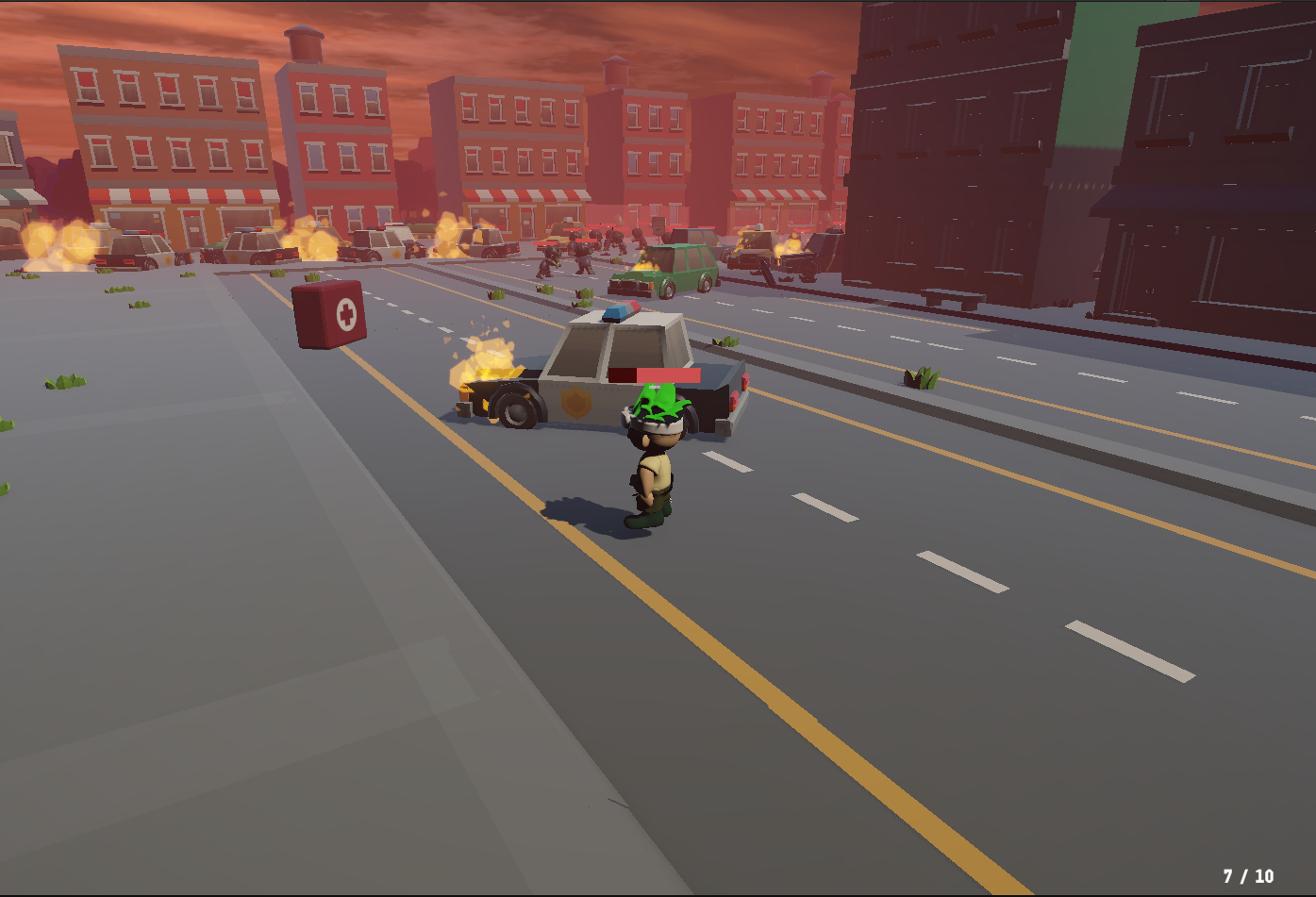
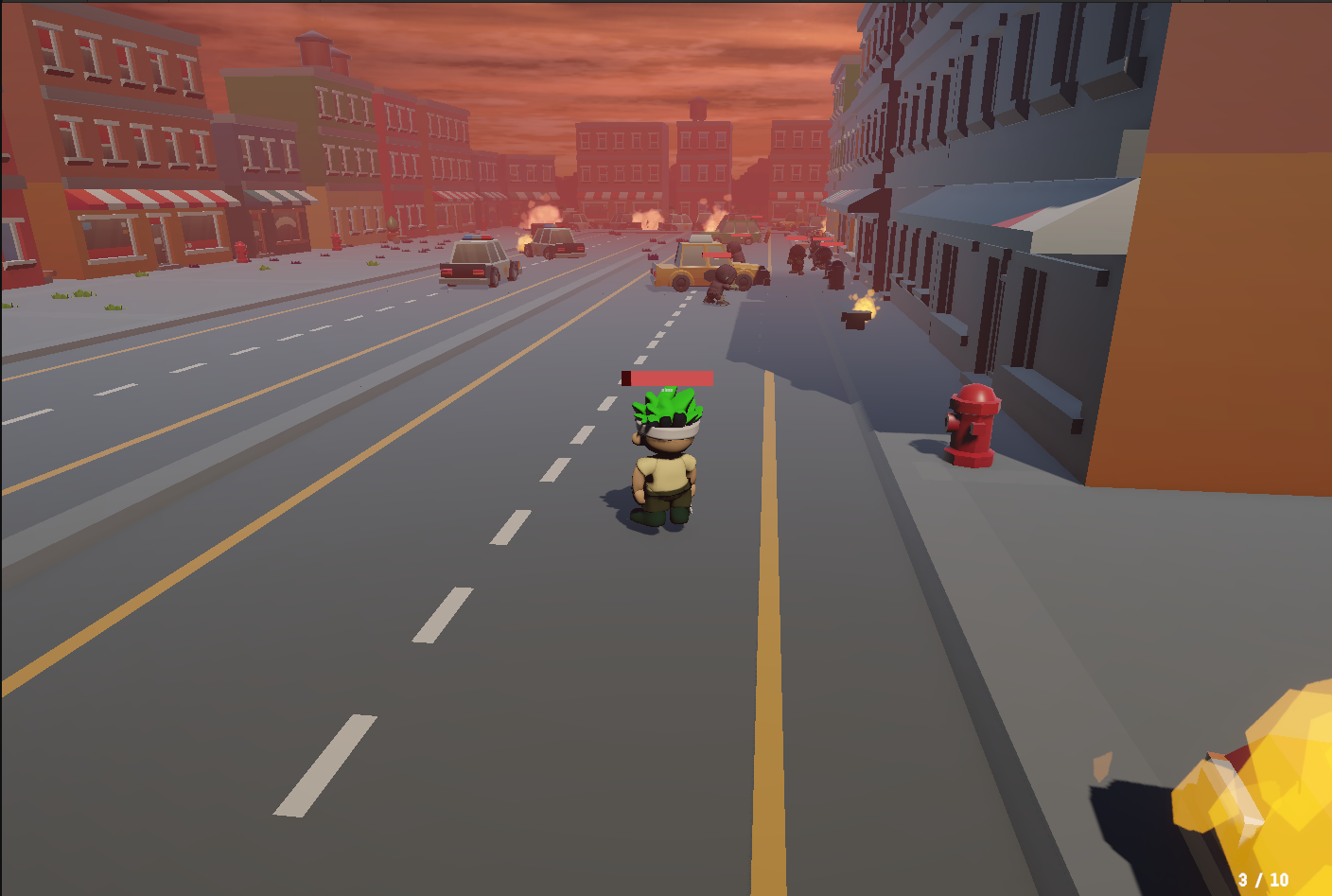
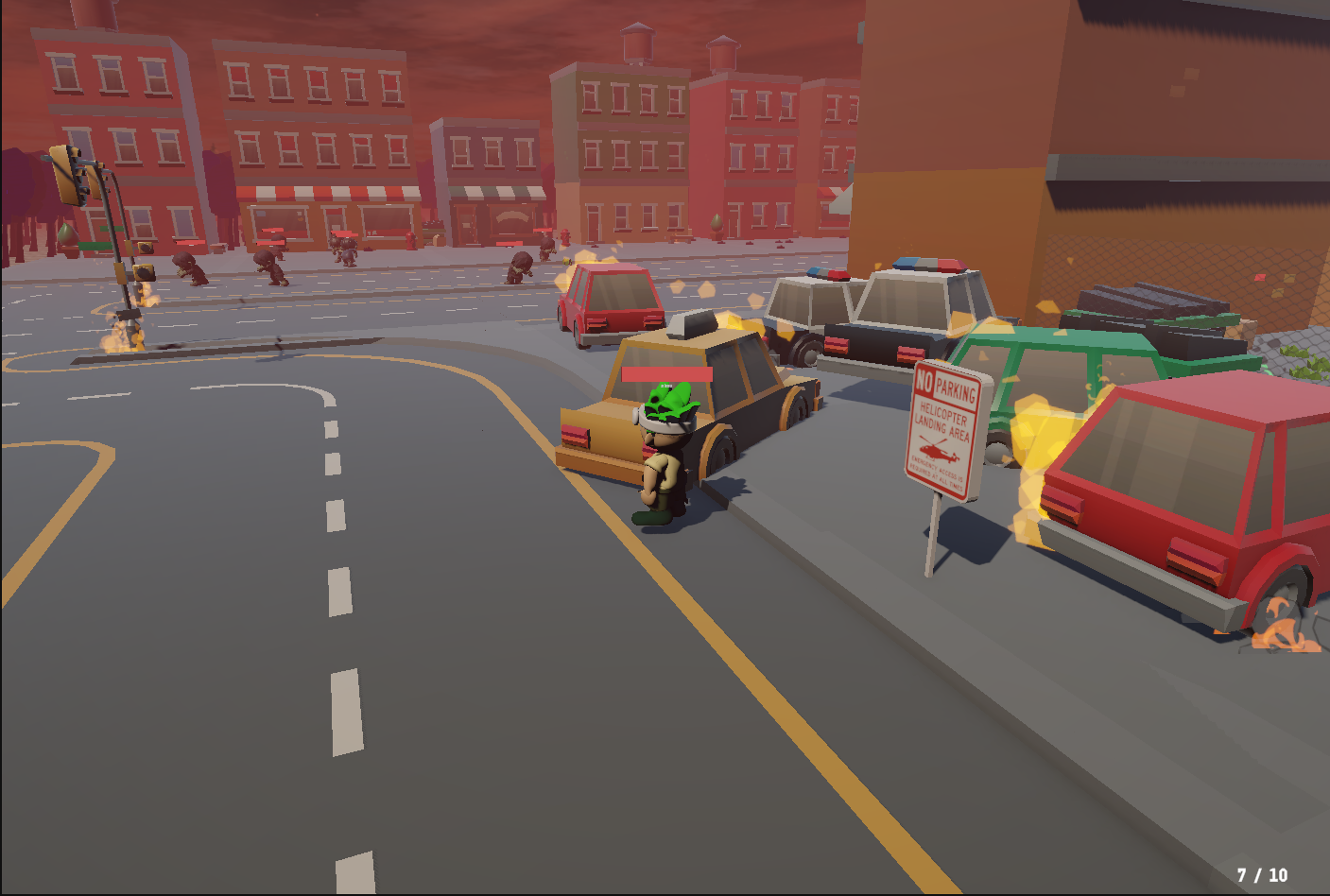
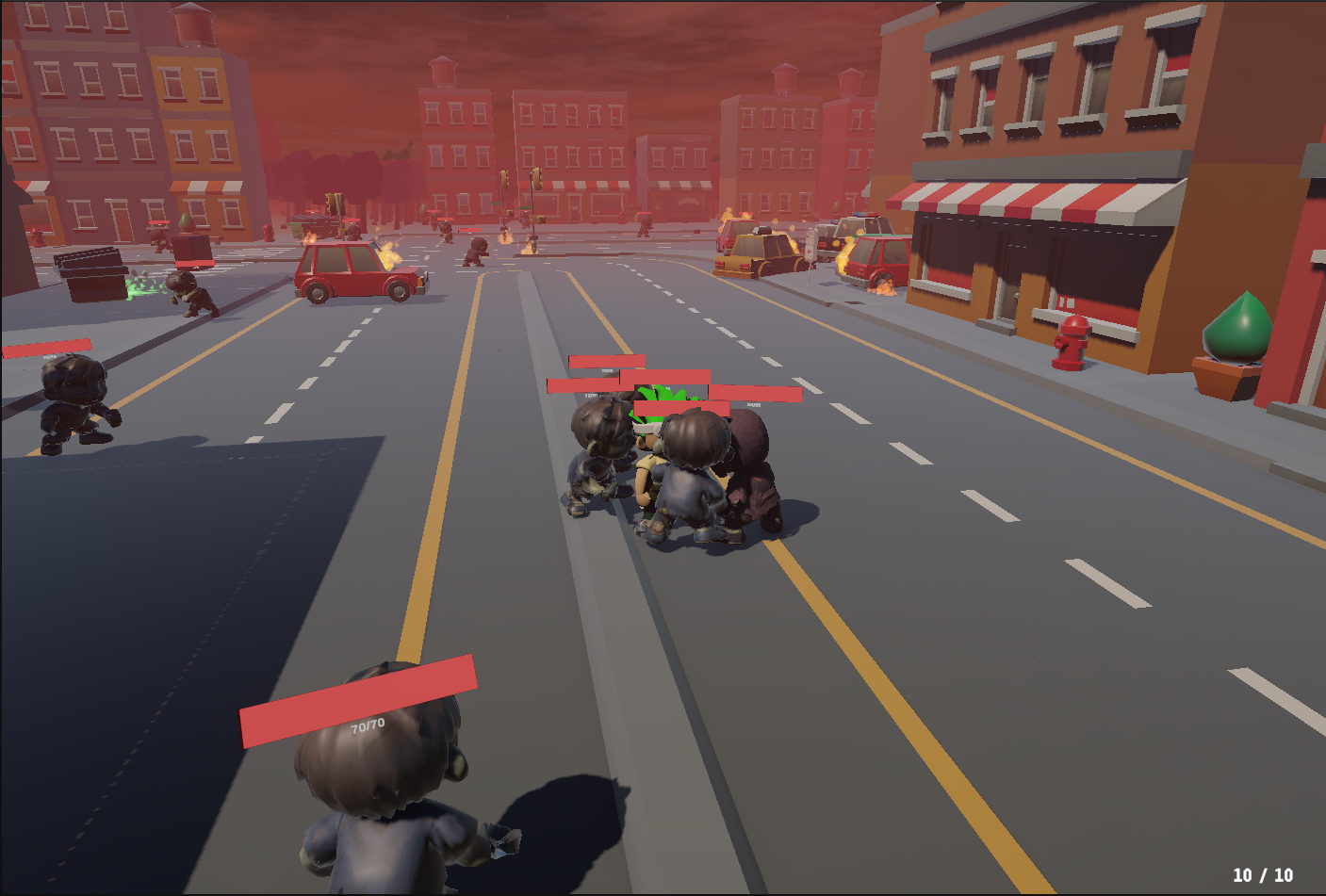
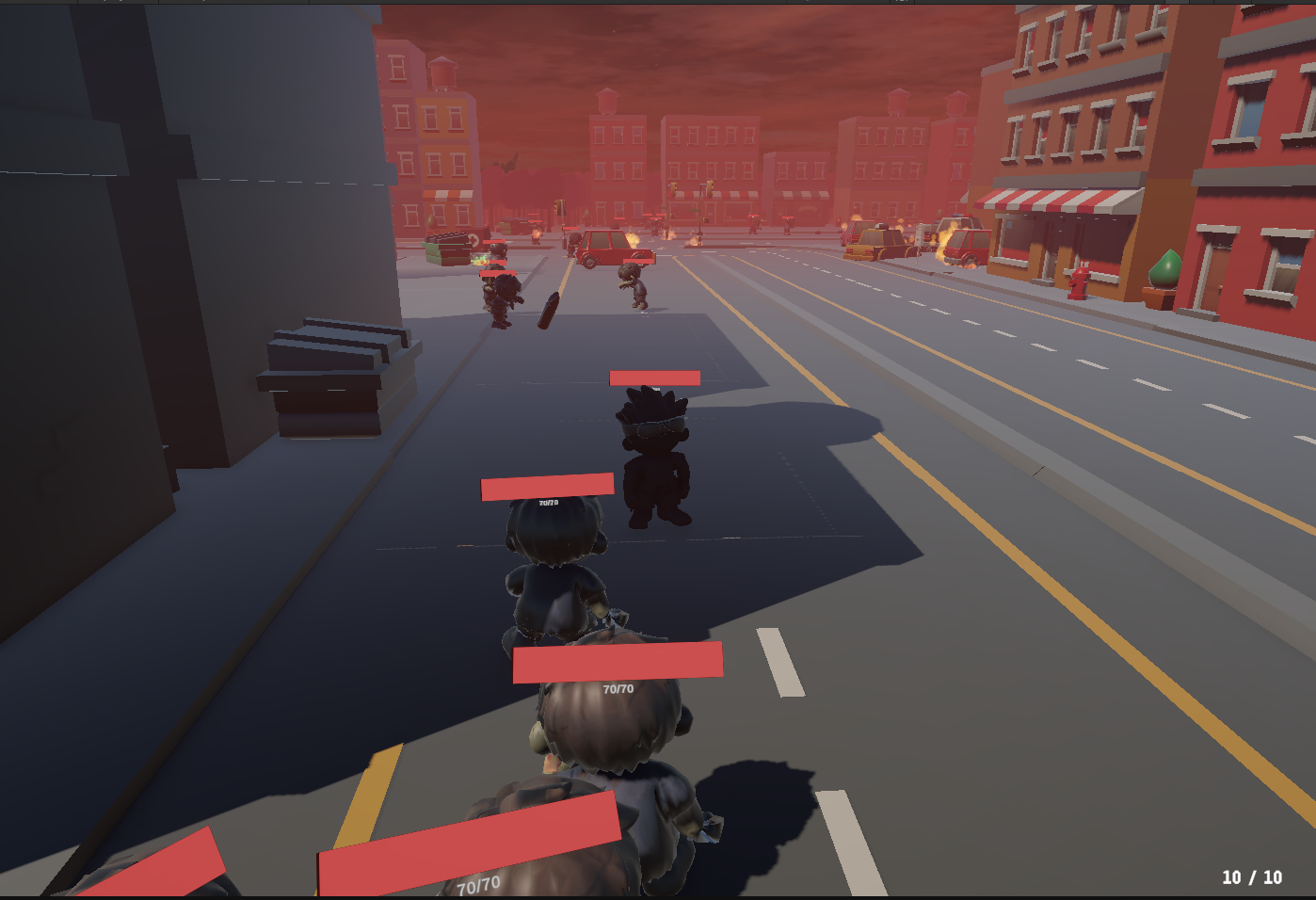
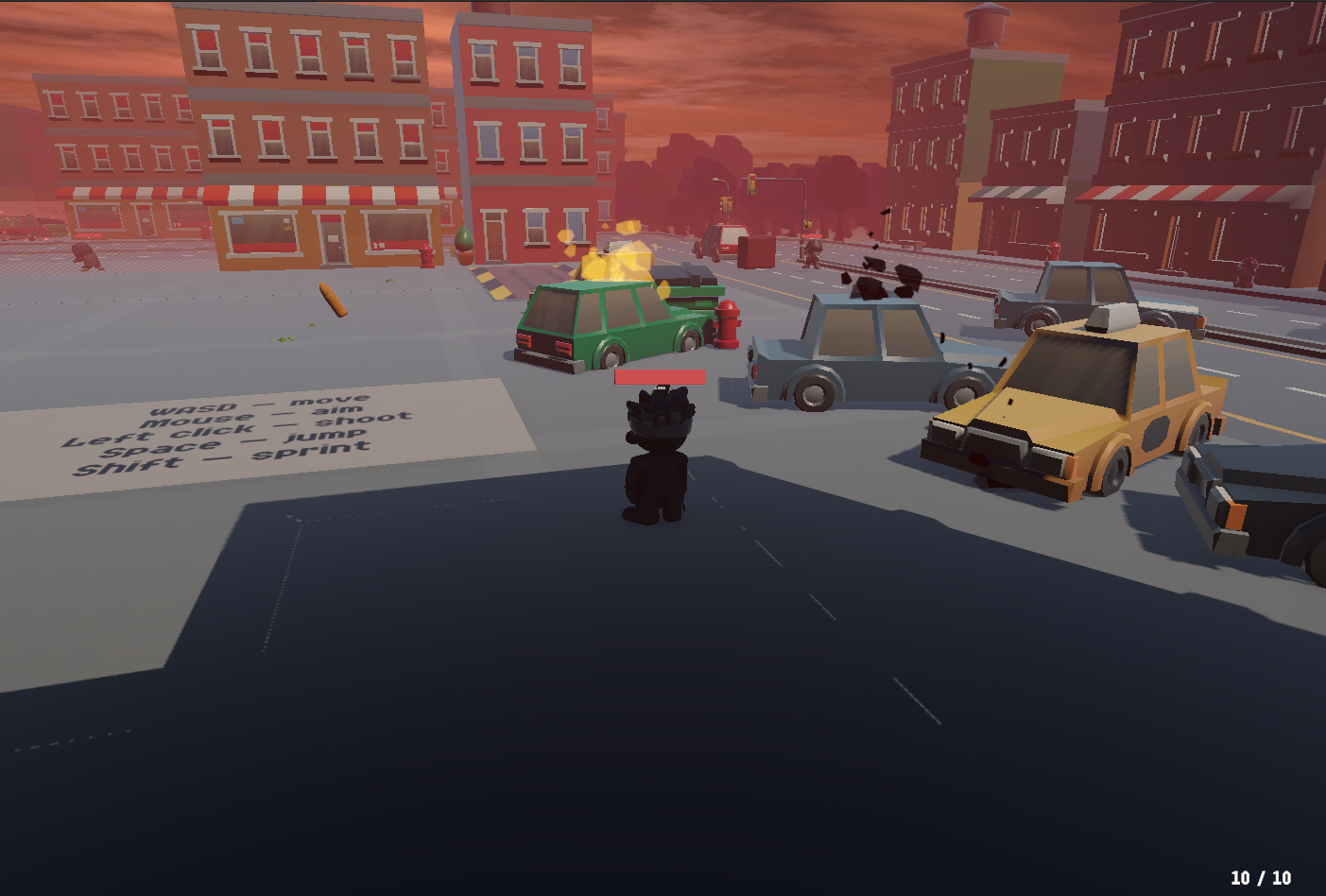
GTE – Get To Evac is a cooperative multiplayer prototype developed in Unity with a focus on networking, synchronized gameplay systems, and real-time player interaction. The game is built around a zombie survival scenario in which players must work together, survive enemy waves, and reach extraction before time runs out.
The project explored the technical side of multiplayer game development, including shared game states, event synchronization, gameplay flow between multiple players, and extraction-based progression. It was especially valuable as a practical introduction to building systems that go beyond single-player design and require coordination across multiple users in one shared experience.
This project strengthened my understanding of multiplayer logic, co-op gameplay structure, and network-aware interaction design in Unity.
My Contribution
I worked on the multiplayer gameplay systems and prototype development, including:
multiplayer interaction and gameplay flow
synchronized events and extraction logic
co-op survival structure and player progression
Unity implementation and prototyping of networked mechanics
Tools / Technologies
Unity, C#, Multiplayer Systems, Networking, Game Prototyping
Journey to the Holocene: The Mastodon Experience
VR Educational Experience | Meta Quest 3 | Unity | Team Project
Journey to the Holocene is a VR educational experience developed in Unity for the Meta Quest 3. Created for an exhibit at the Senckenberg Museum, it transports players back to the Holocene epoch, where they interact with mastodons and a Native American shaman to learn about prehistoric life.
The experience begins inside a cave, where the shaman offers a mystical potion that sends the player into the past. Guided by an eagle spirit, the player explores ancient landscapes, follows mastodon trails, and gains their trust by feeding them. The project focuses on scientific accuracy and immersive storytelling, making it both engaging and educational.
Blade of Darkness
Third-Person Open-World Game | Unity | Solo Project
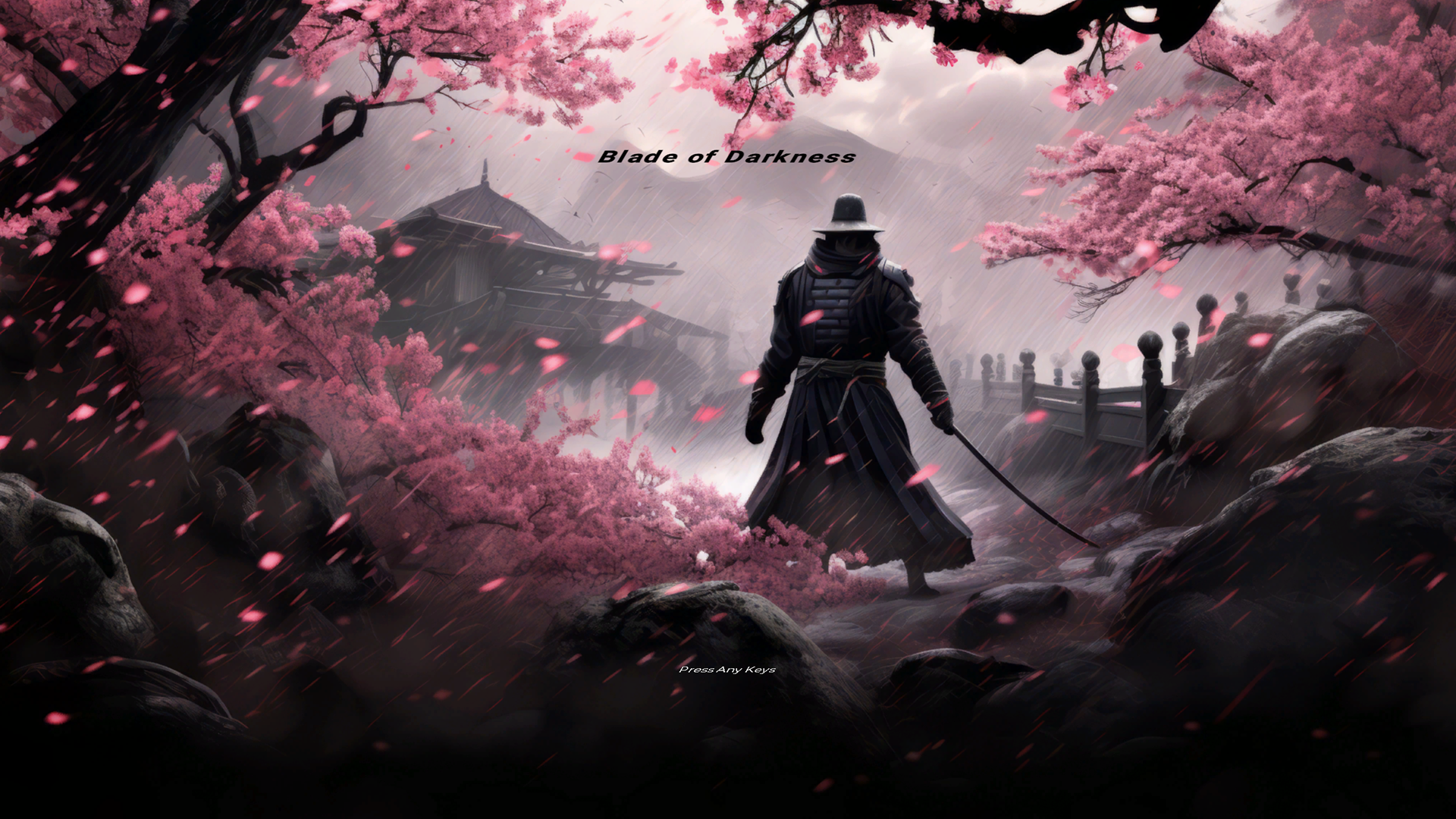
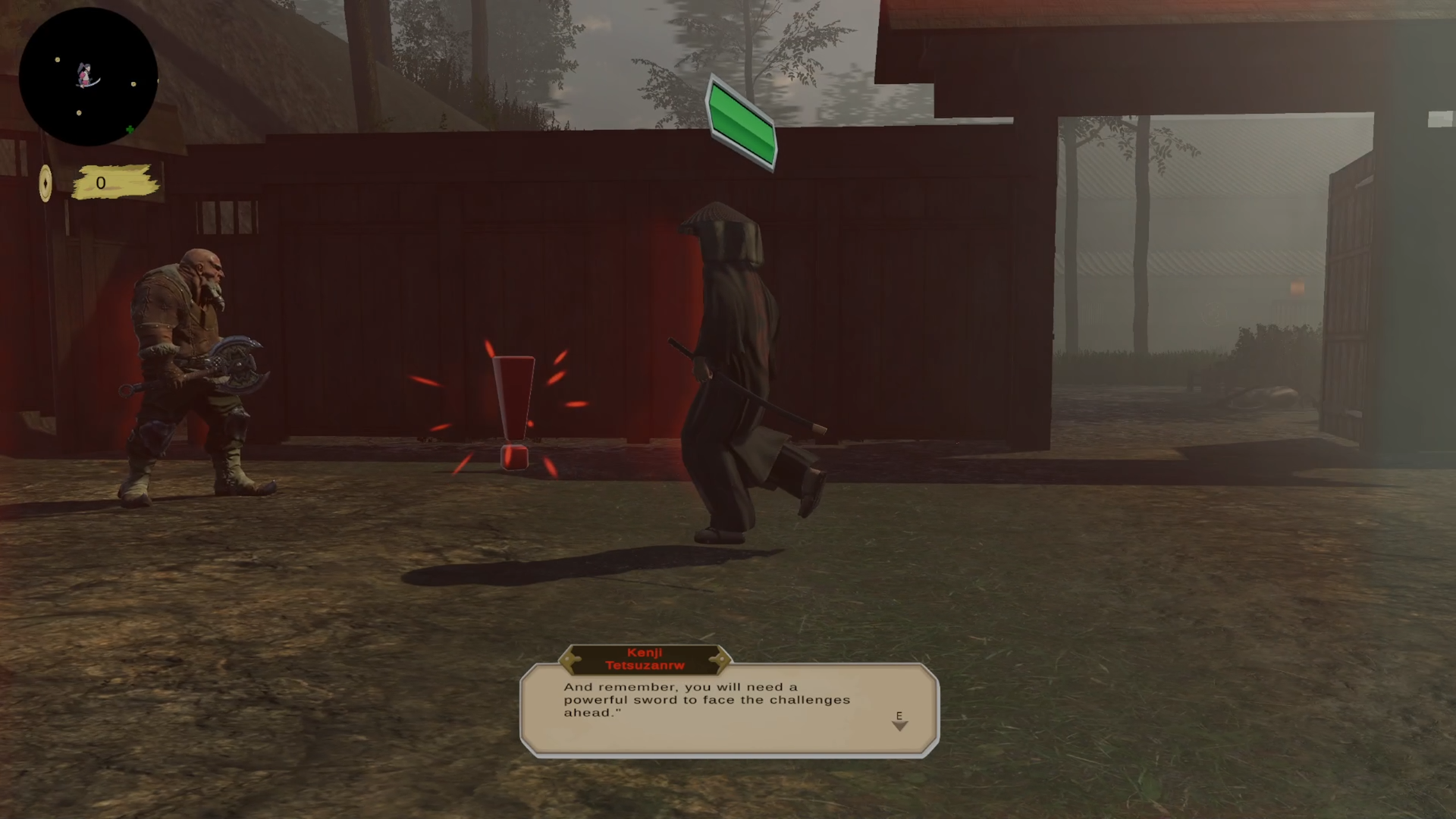
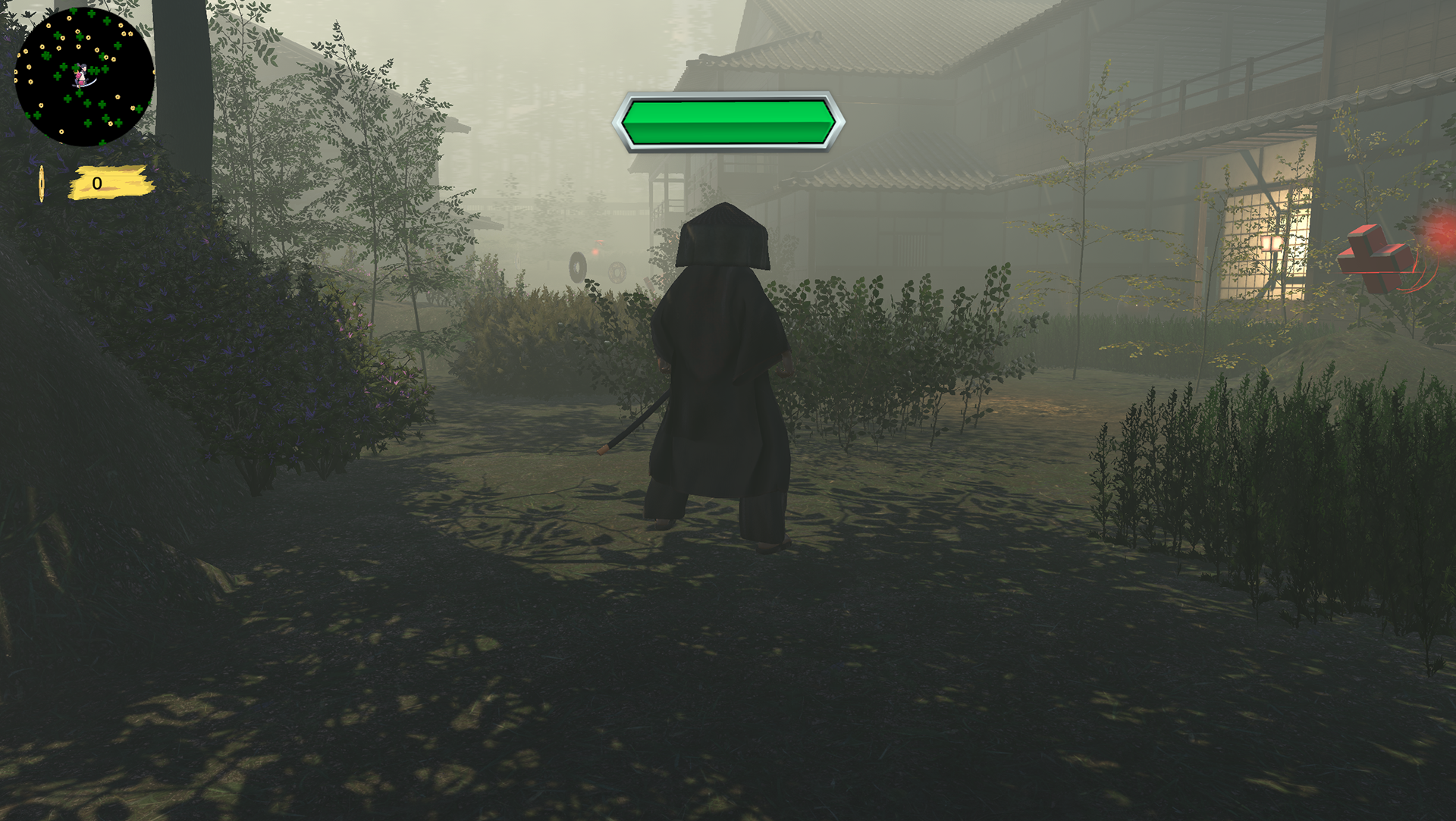
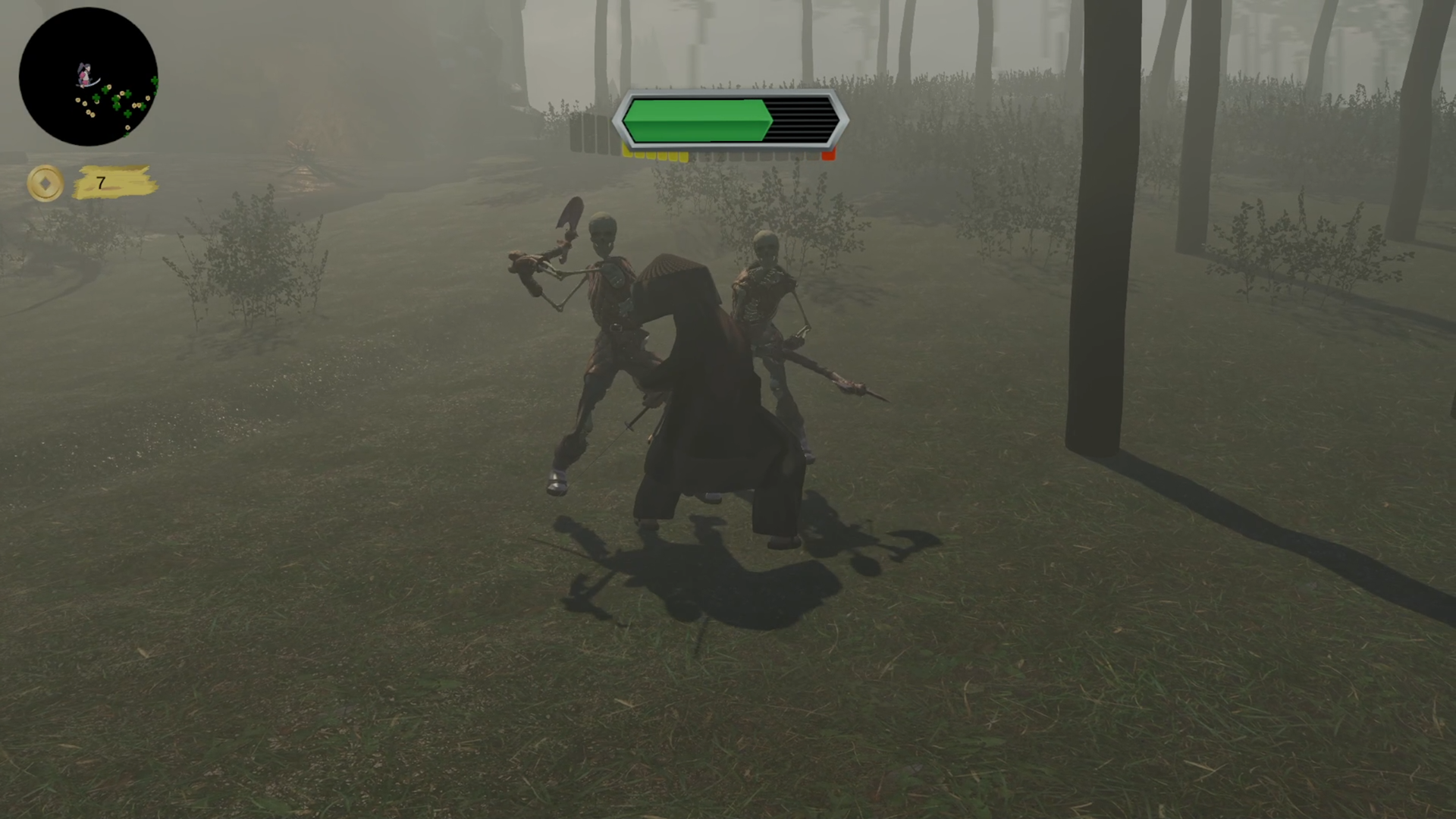
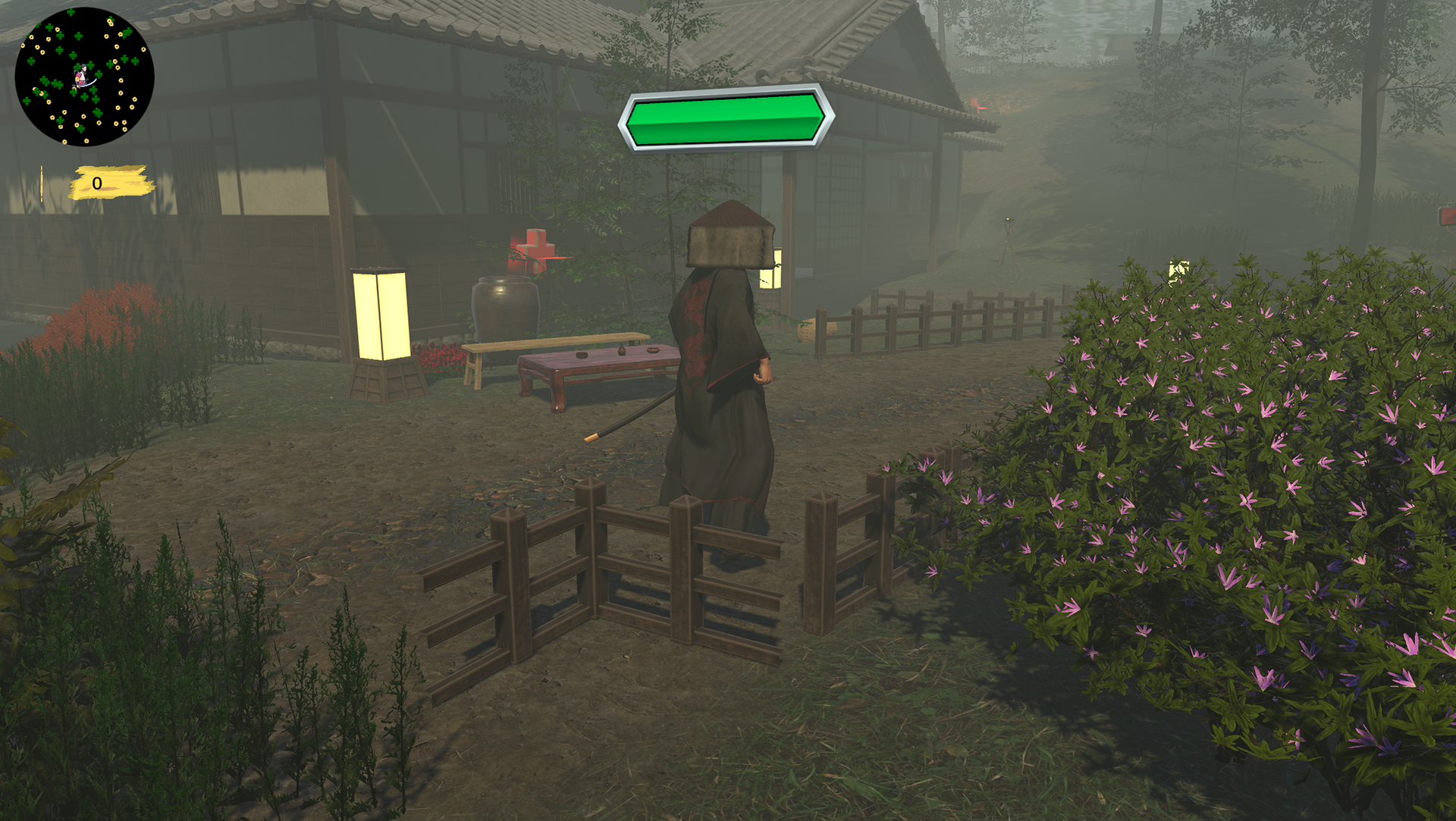
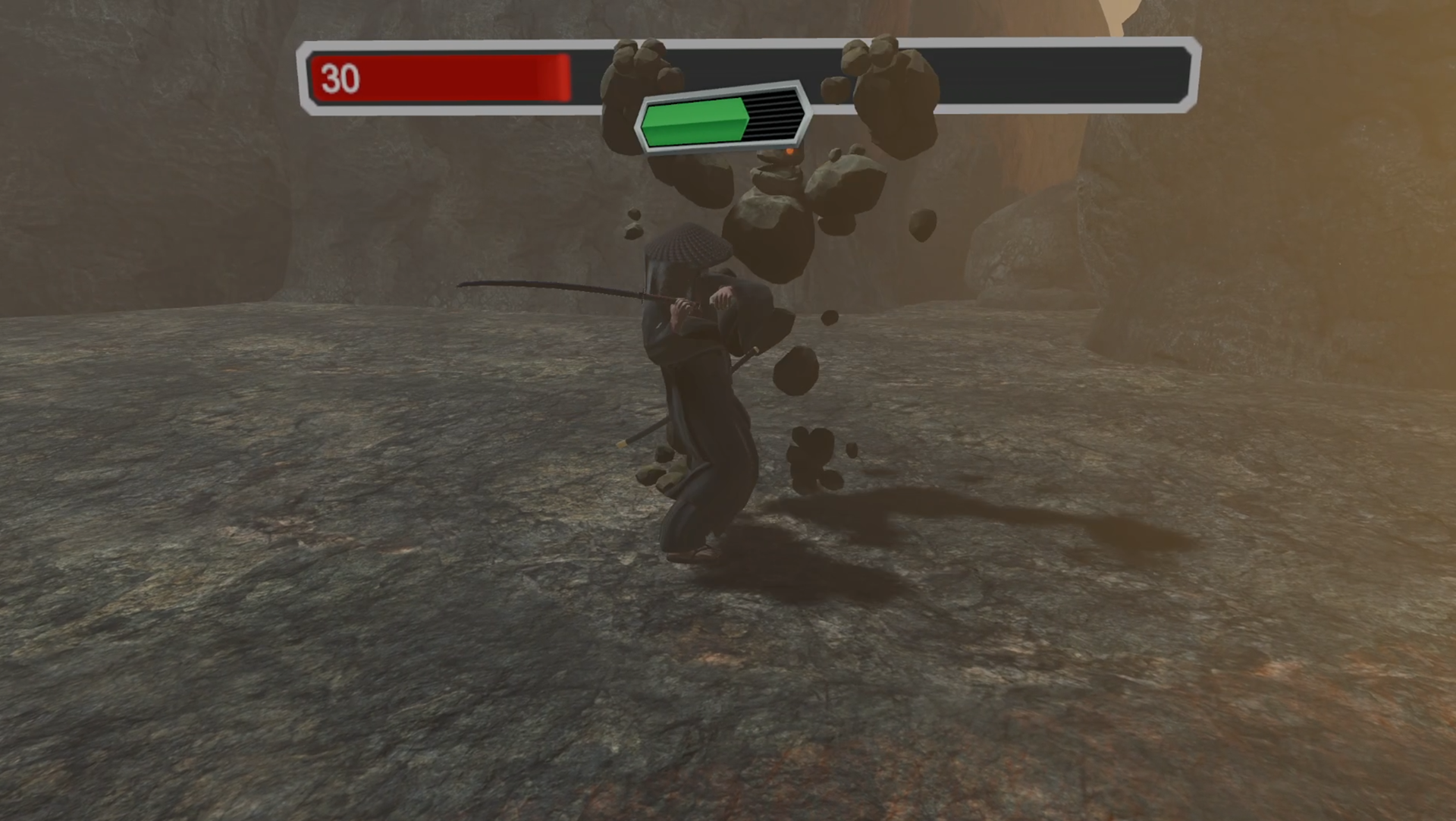
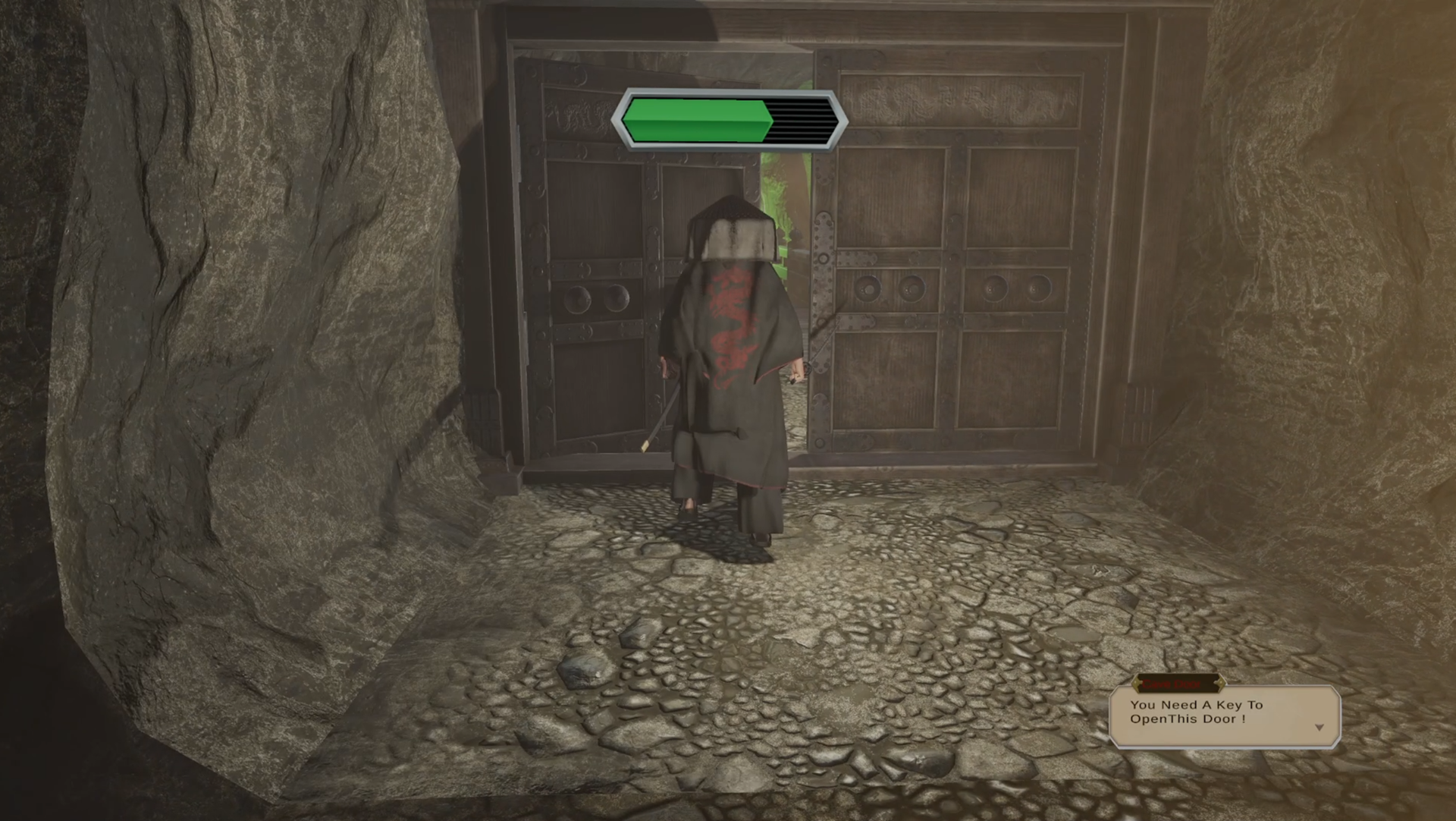
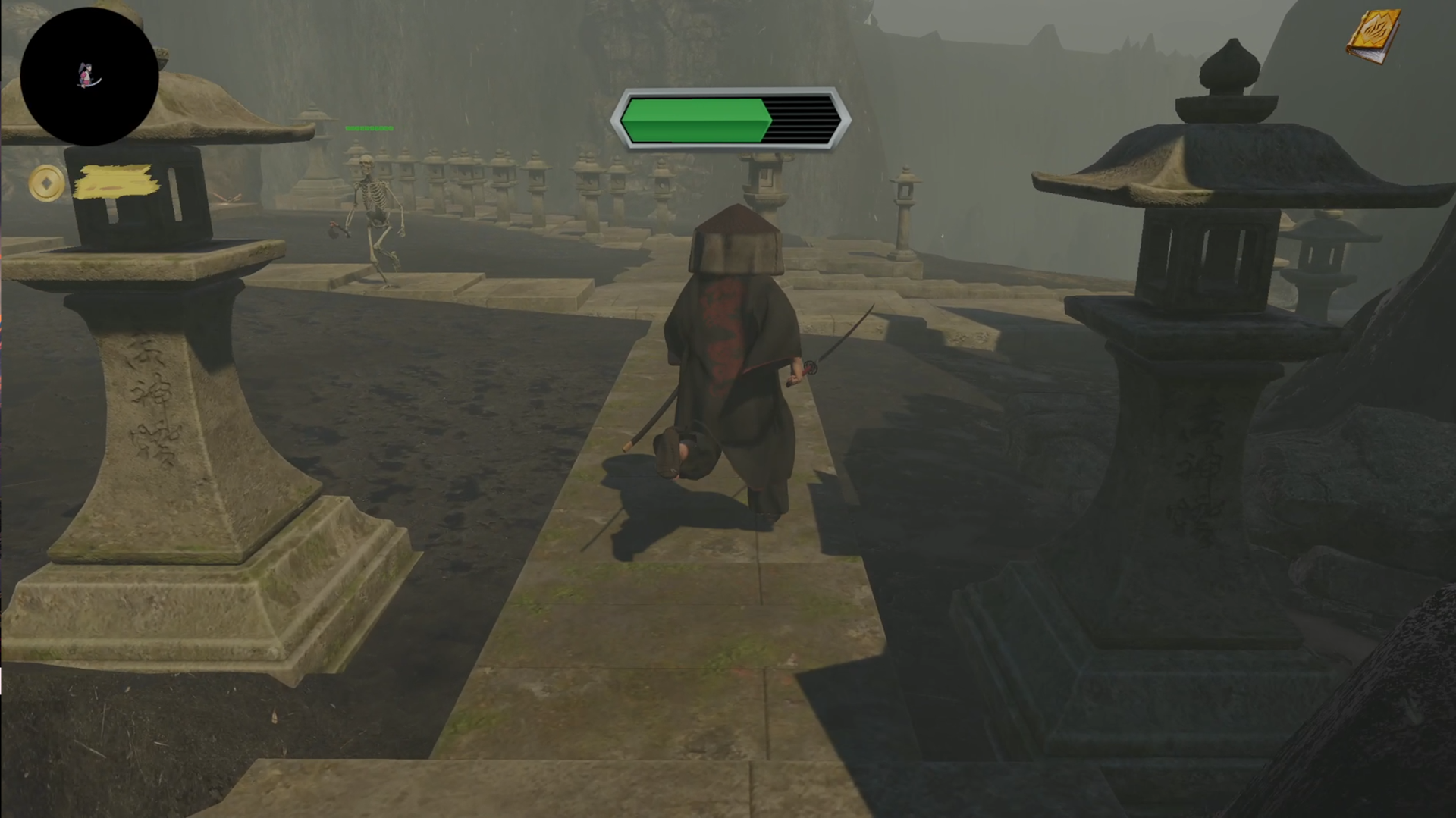
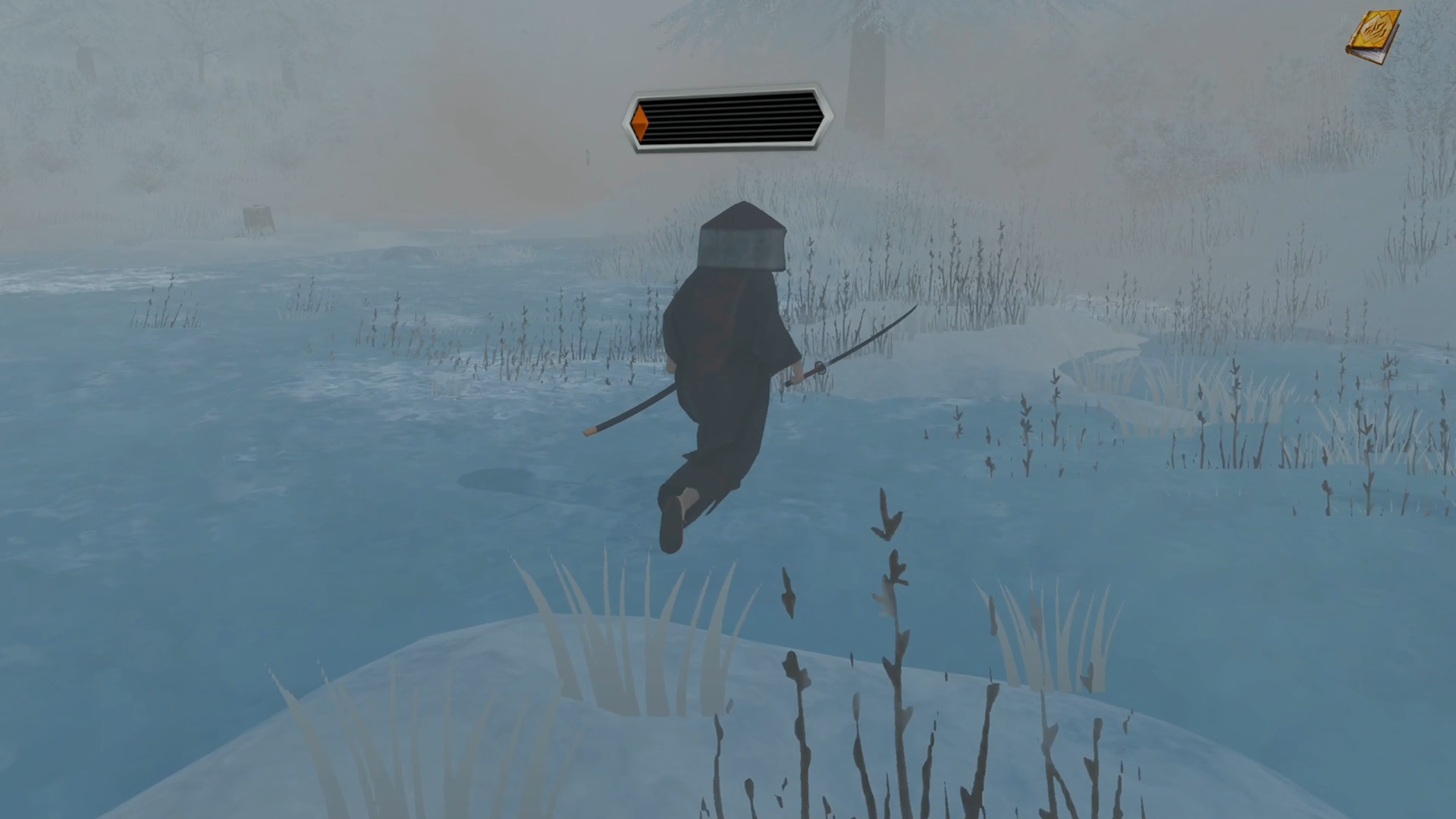
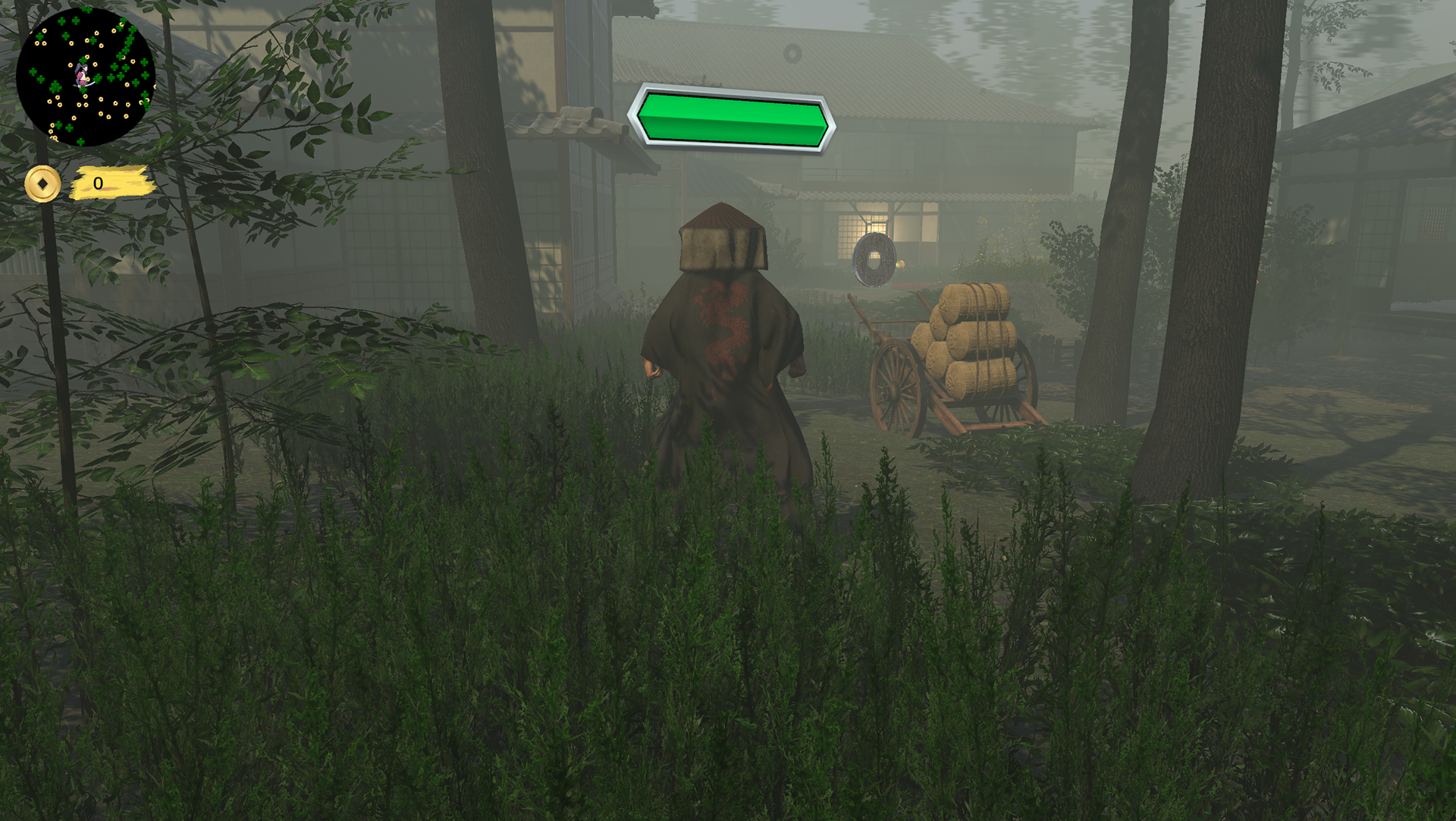
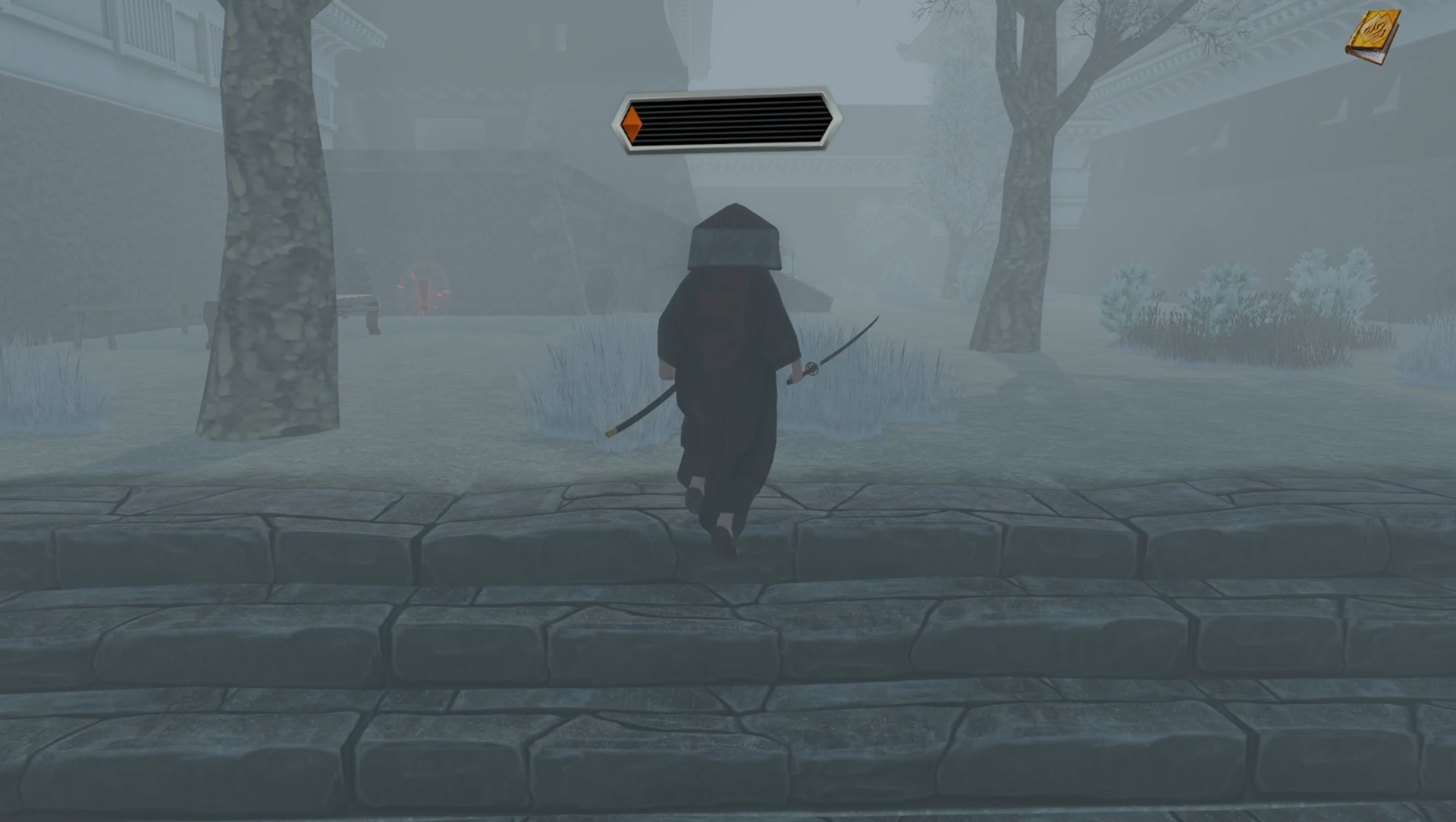
Blade of Darkness is a third-person open-world game developed in Unity, inspired by Japanese samurai combat. The game features a melee fighting system, allowing players to engage in dynamic swordplay within an immersive world.
This project was an opportunity to refine my coding and game design skills, implementing design patterns such as Singleton and Observer, along with an inventory system and other gameplay mechanics. As a solo project, it was a valuable experience in structuring complex game systems and optimizing performance in an open-world setting.
Keys to Survival
First-Person Prototype | Unity | Solo Project
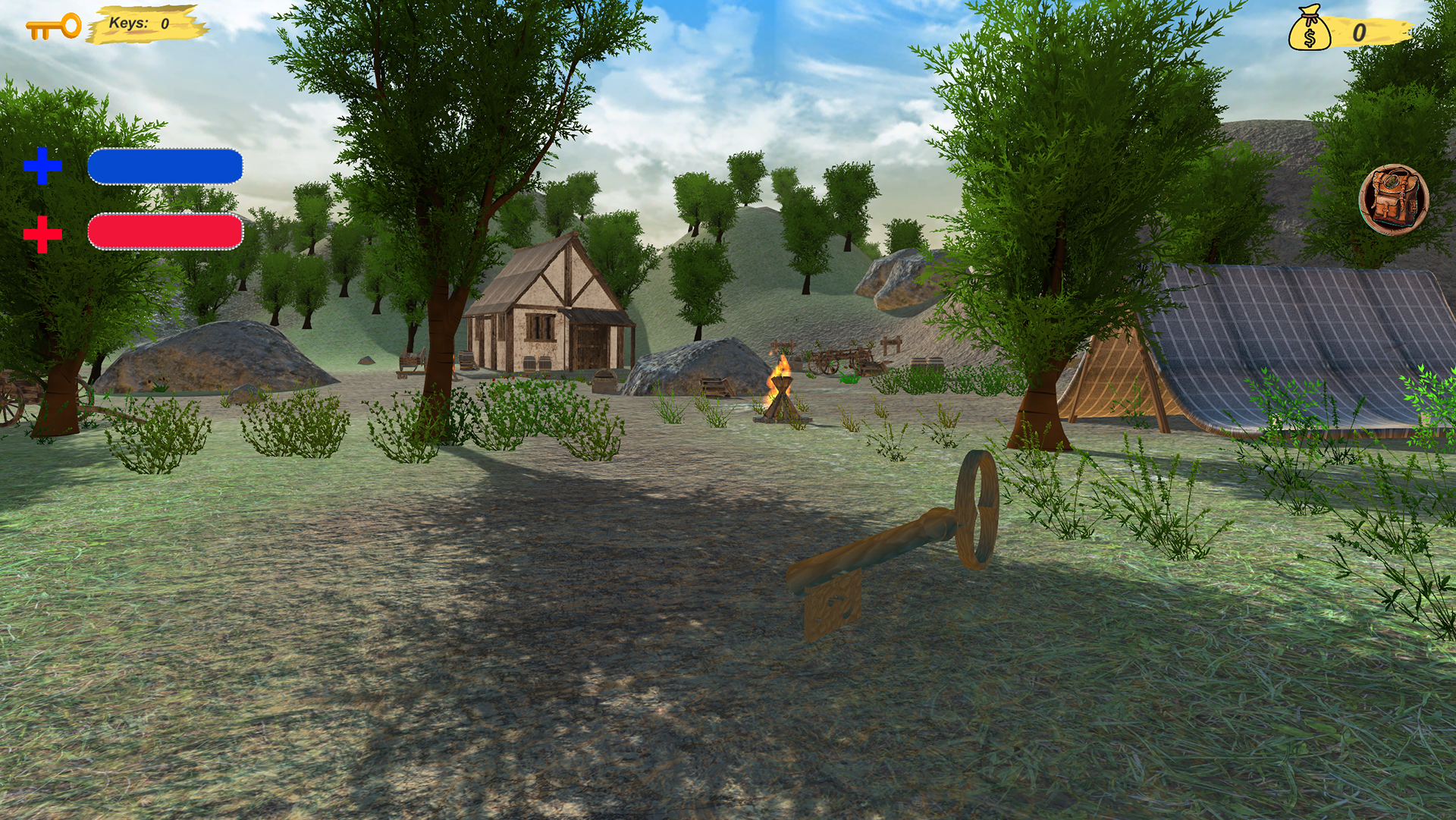
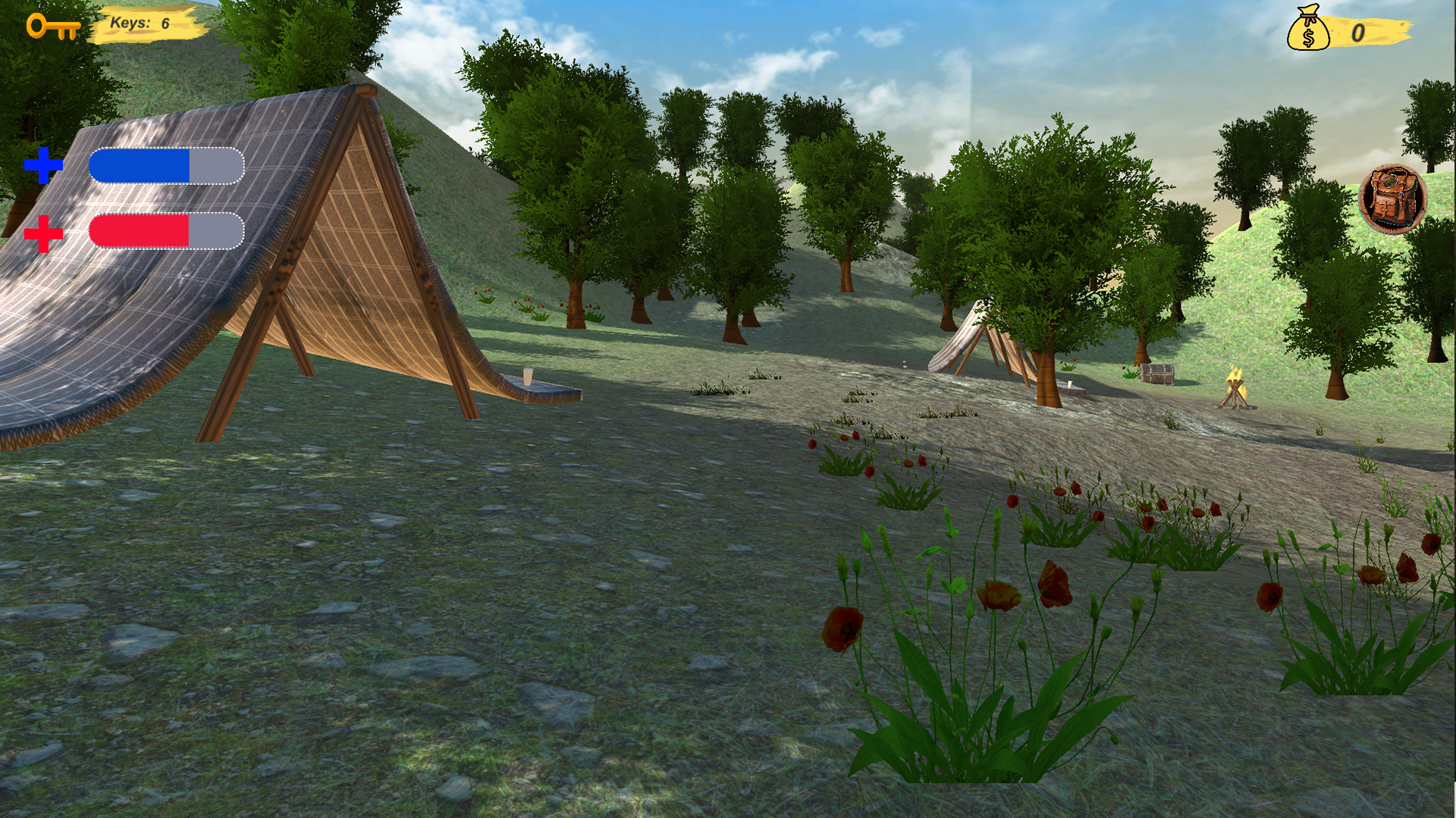
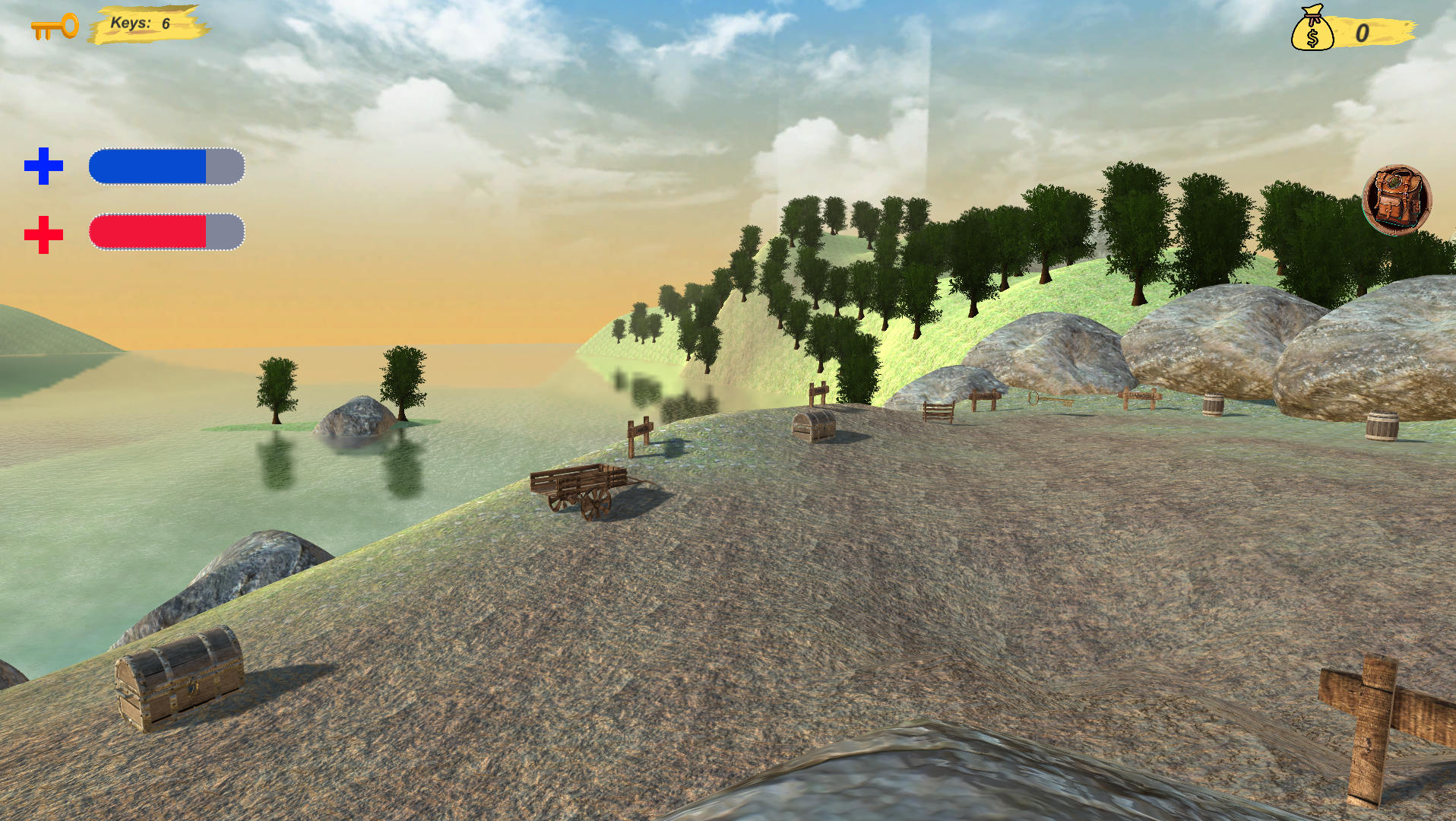
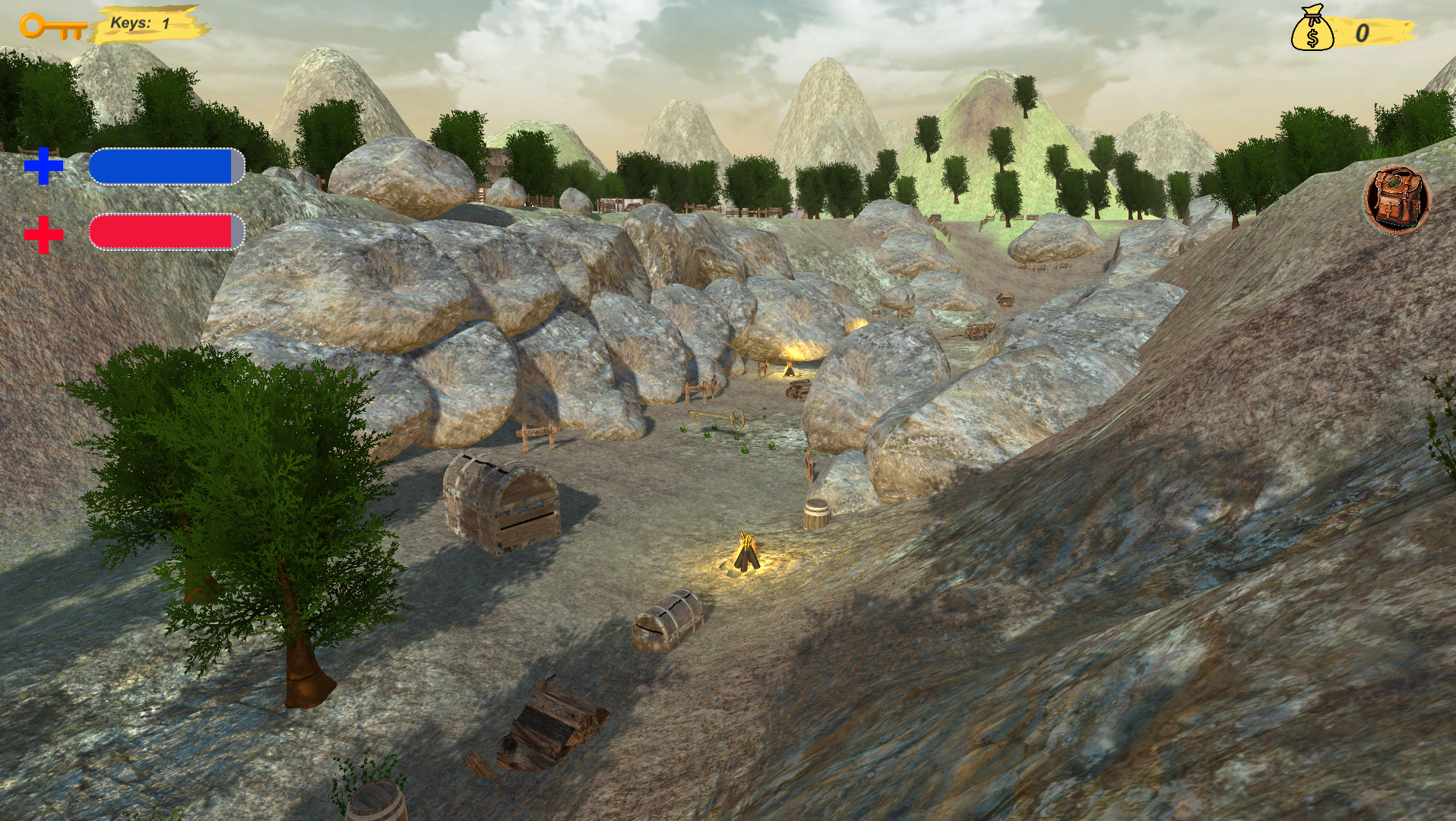
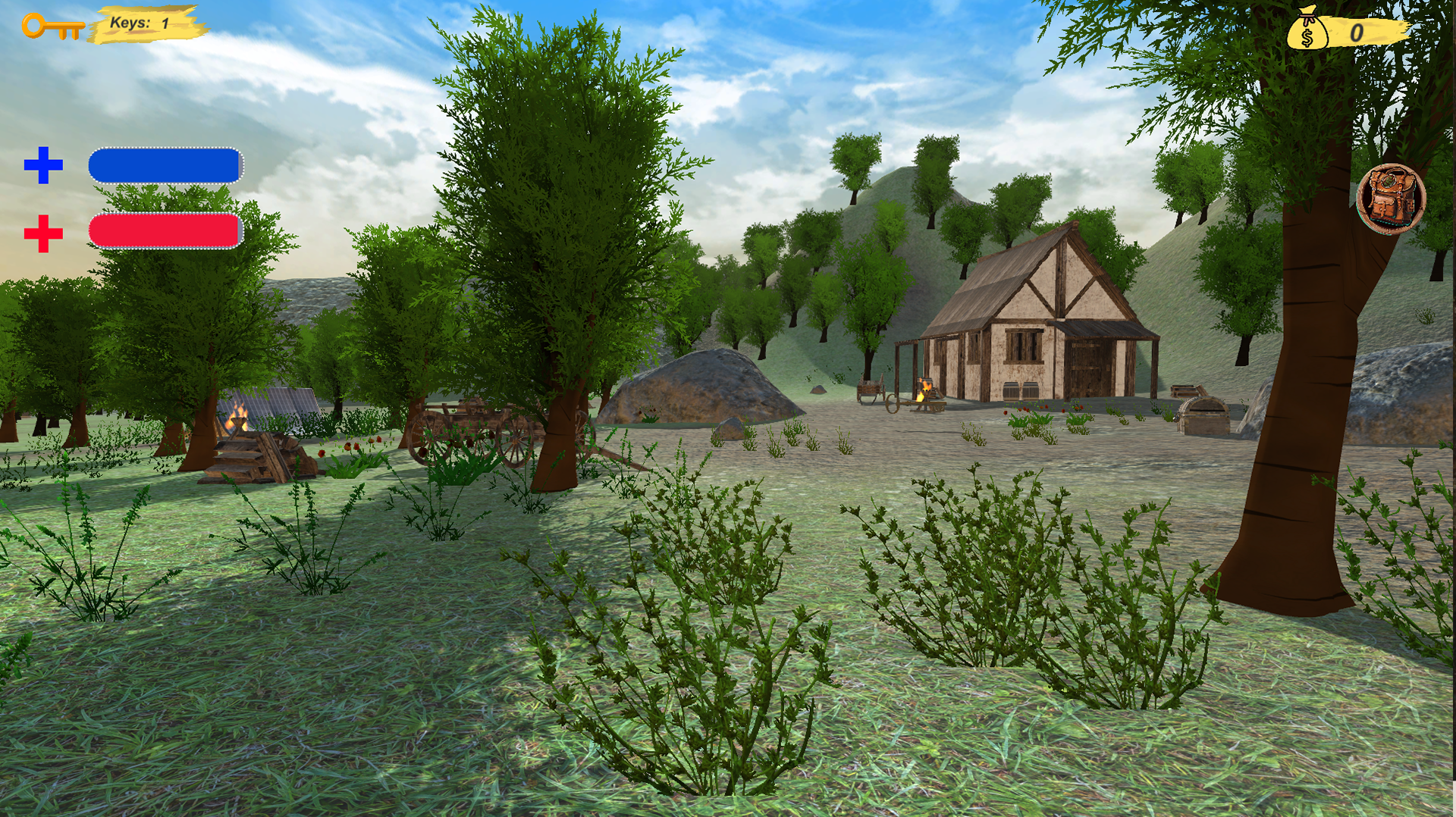
Keys to Survival is a short first-person prototype developed in Unity as one of my earliest projects. The game challenges players to collect keys, open chests for gold, and purchase a golden key from the shop to escape the island.
Survival mechanics add to the challenge—players must buy food to avoid starvation and drink water from barrels, though there is a risk of poisoning. Once the golden key is obtained, they have one minute to find the exit gate, or they lose the game. Additionally, running out of food or water also results in failure.
This project was a valuable learning experience in game mechanics, resource management, and Unity development, helping me refine my skills for future projects.
Micro Galaxy
Spatial Web Prototype | Unity | Team Project
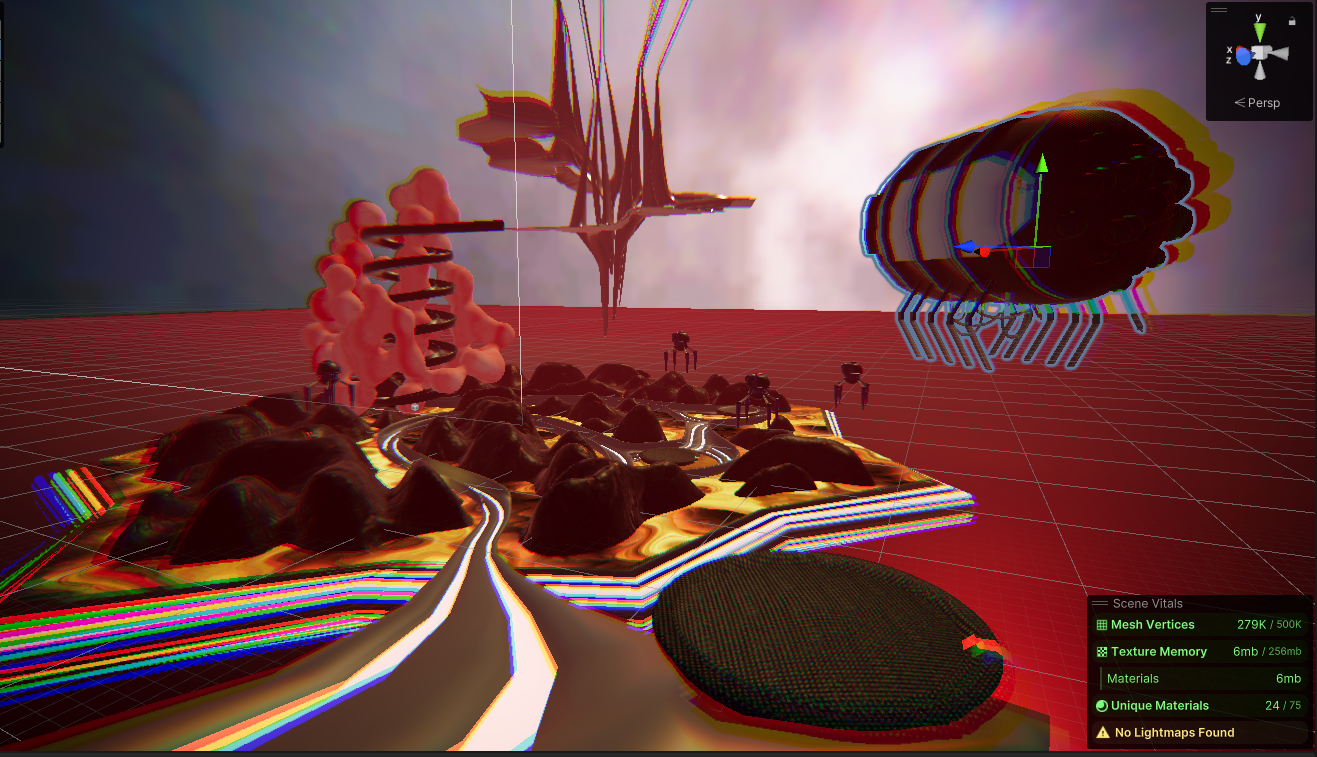
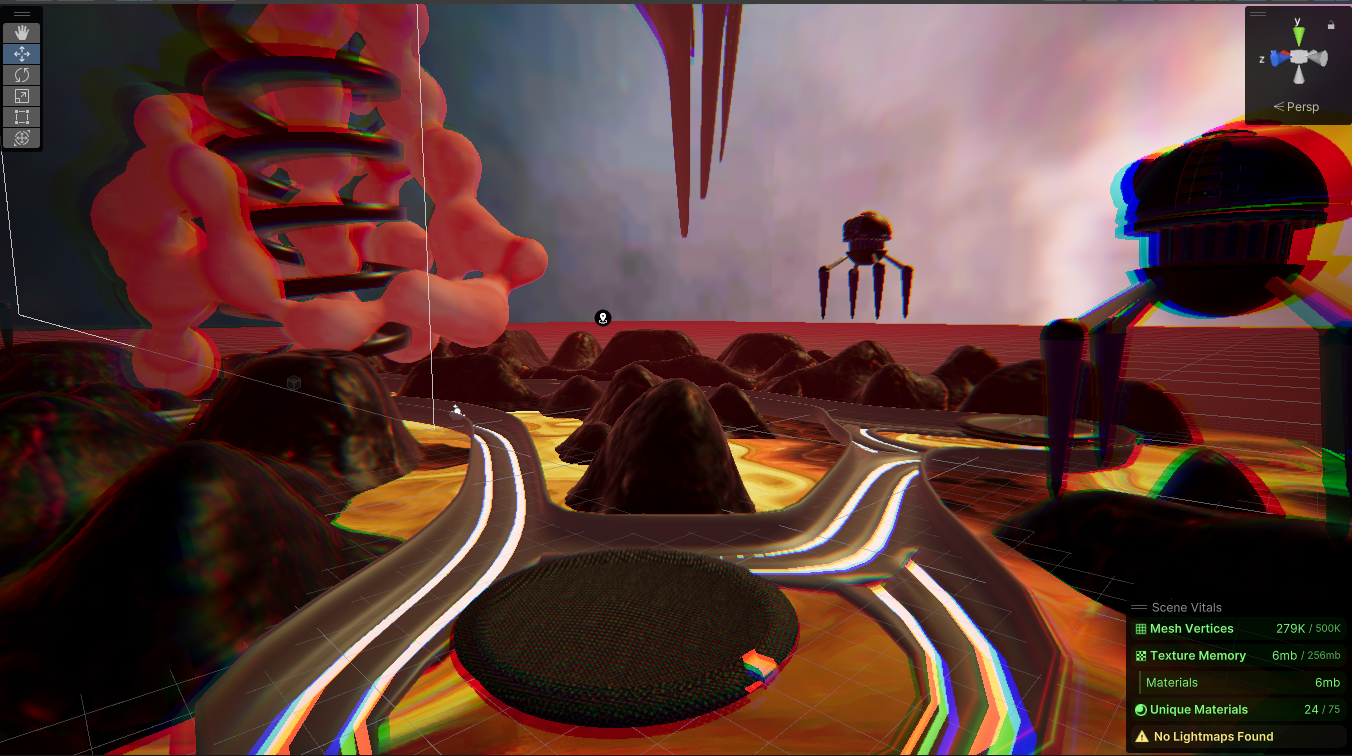
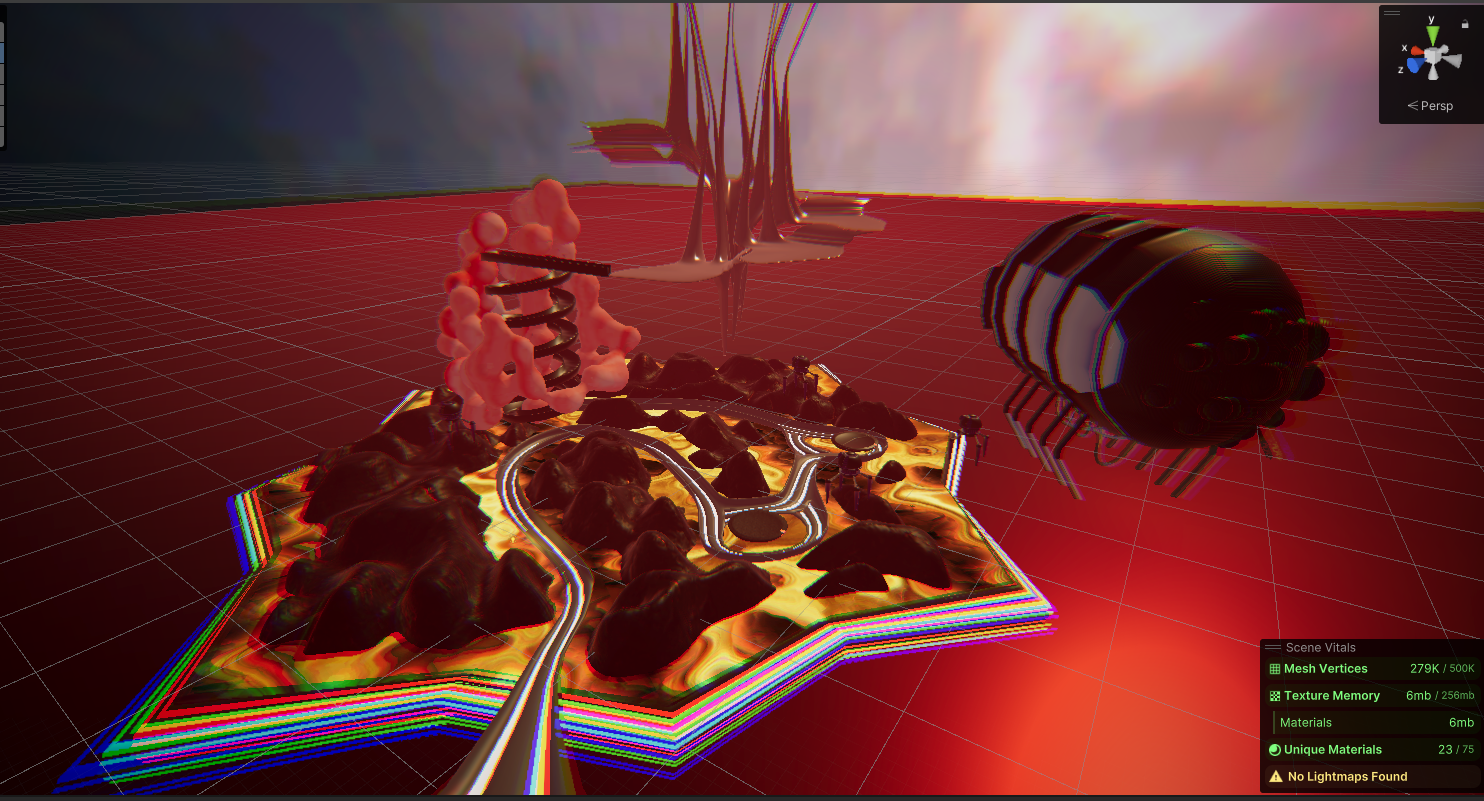
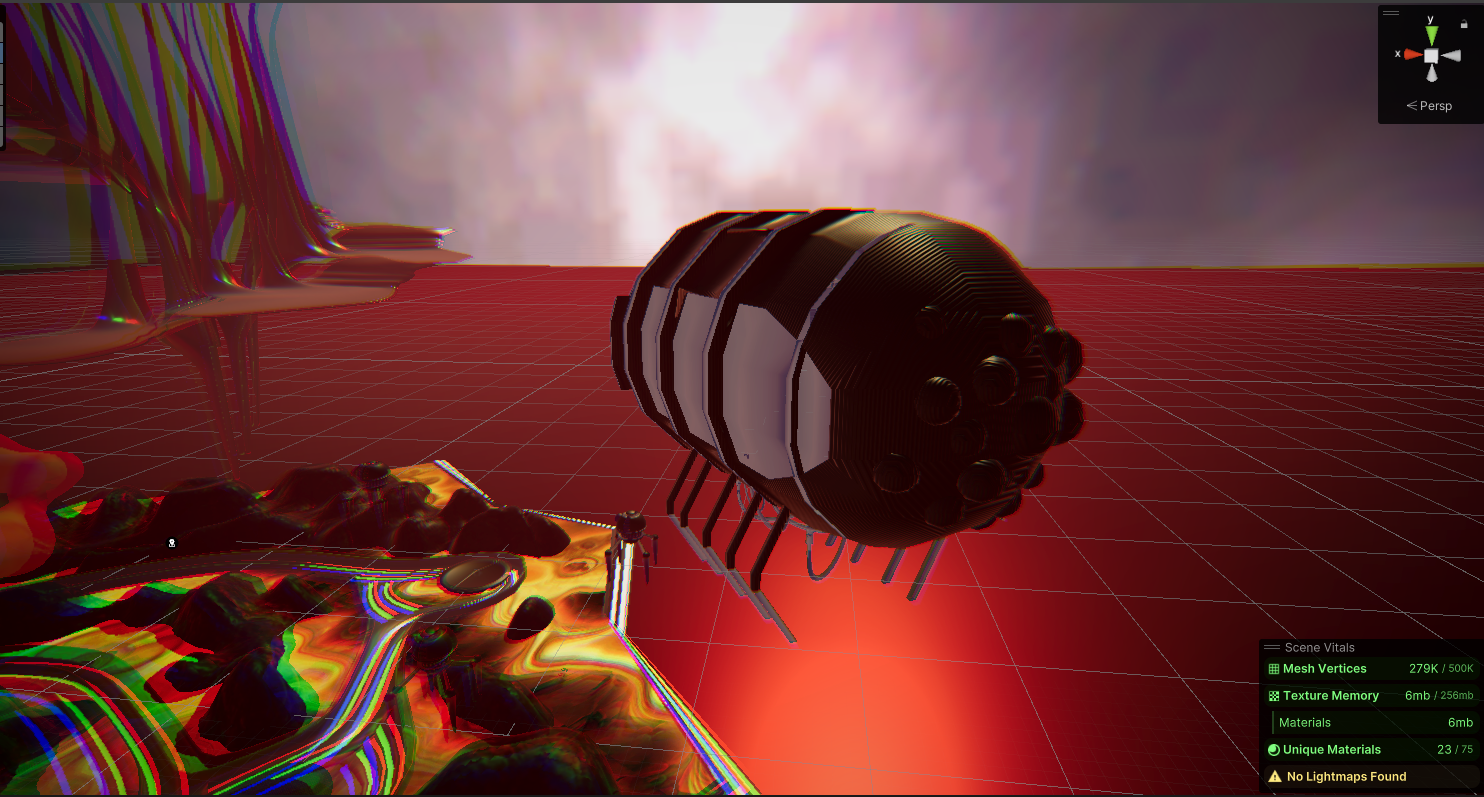
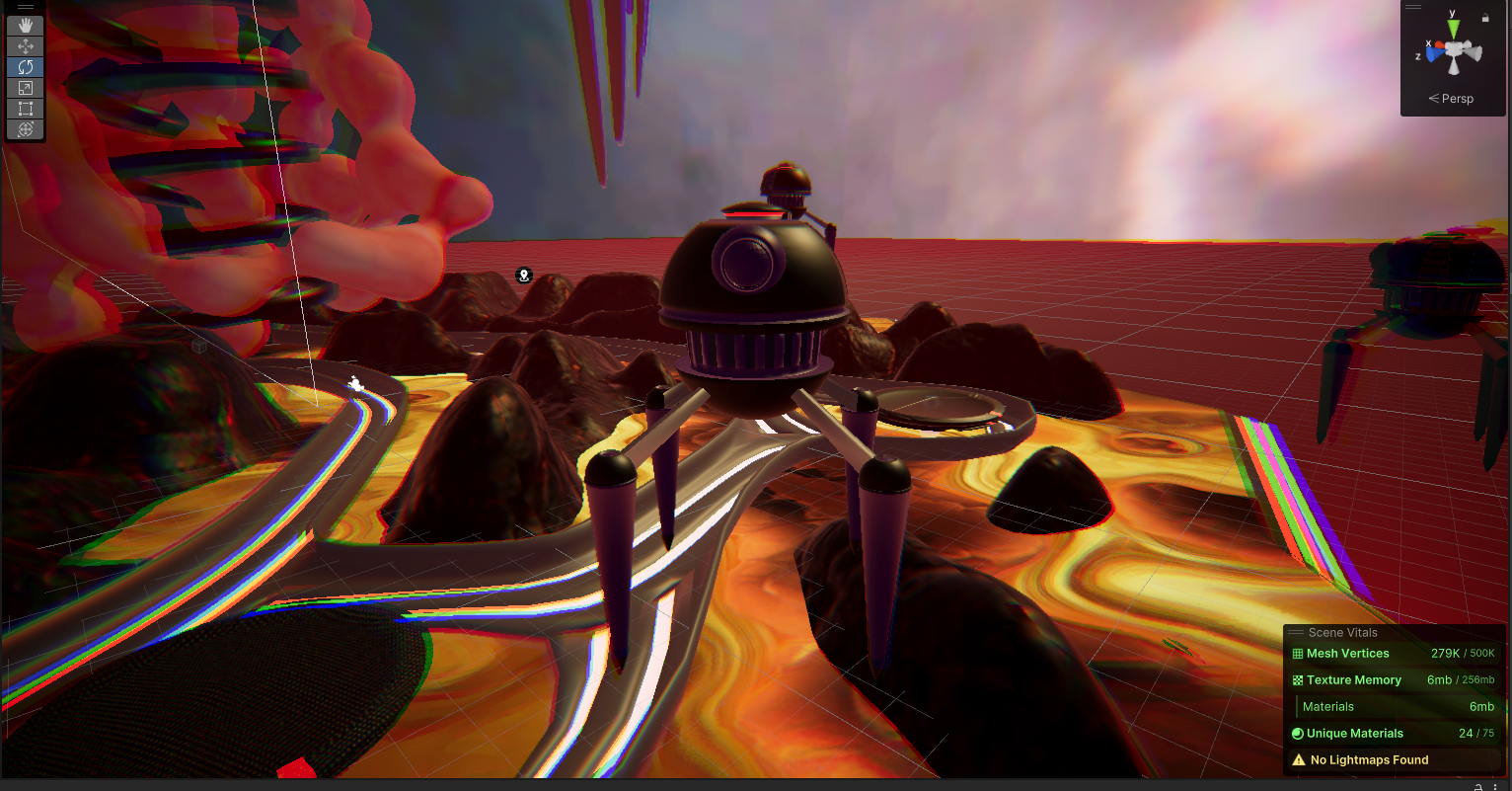
Micro Galaxy is a spatial web prototype developed in Unity, blending sci-fi adventure with a surreal narrative. The game follows a player who, after drinking alcohol, shrinks and enters a miniature galaxy inside the bottle. Within this alien world, they must overcome obstacles, pilot spaceships, and battle robots and extraterrestrial enemies to find a way back to their original size.
While still a prototype, the project successfully establishes core gameplay mechanics, featuring immersive world-building, spaceflight, and combat elements. It was a valuable exploration of interactive storytelling, spatial web design, and Unity development.